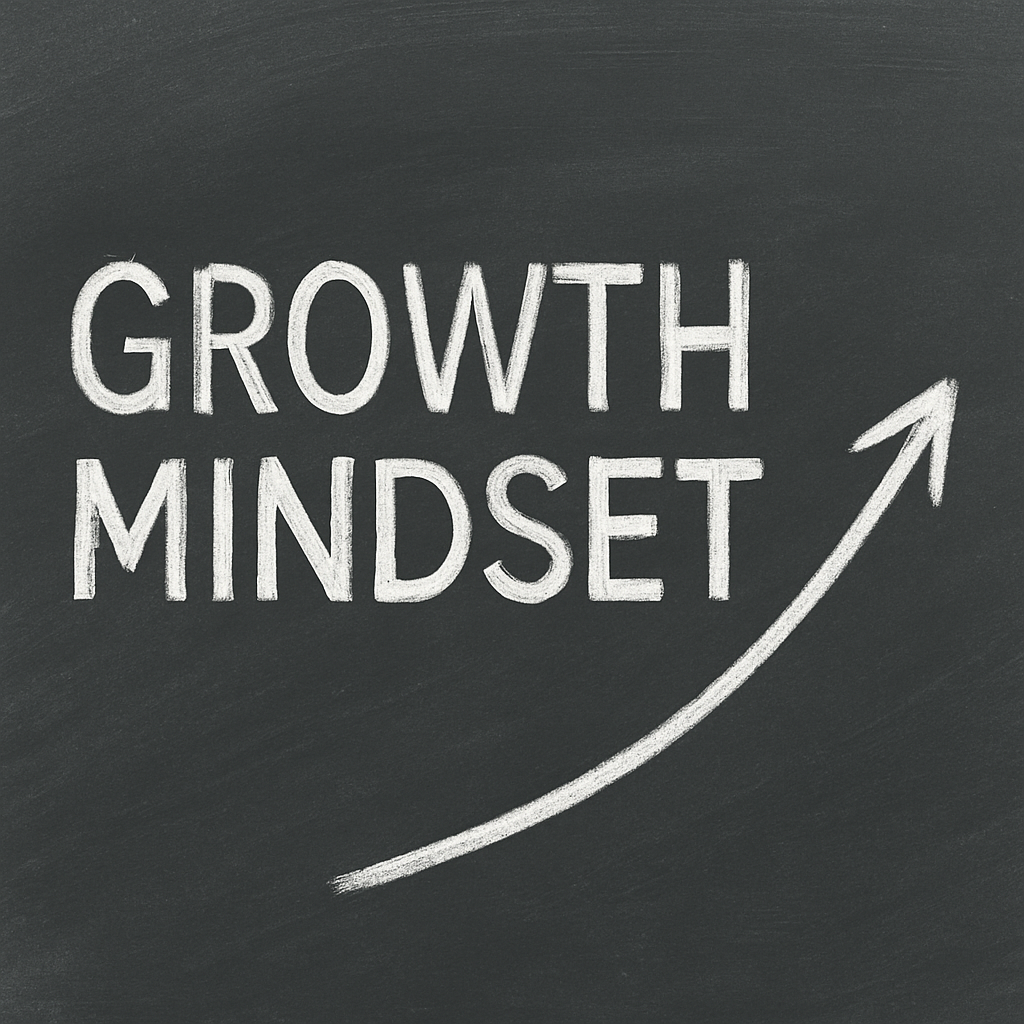
In a business climate defined by rapid change, technological disruption, and constant redefinition of what success looks like, one leadership trait has moved from nice-to-have to non-negotiable: a growth mindset.
Coined by Stanford psychologist Carol Dweck, the growth mindset is often summarized as the belief that abilities and intelligence can be developed through effort, feedback, and learning. But for executives and entrepreneurs, it’s more than an intellectual framework—it’s a leadership imperative.
Fixed vs. Growth: The Executive Divide
Leaders with a fixed mindset prioritize appearing competent. They avoid failure, resist feedback, and see talent as a fixed commodity. Leaders with a growth mindset prioritize learning. They view challenges as fuel, seek constructive friction, and see potential as expandable.
The difference shows up in everything from succession planning to innovation cycles. Companies led by fixed-mindset executives often stagnate. Those led by growth-mindset leaders are disproportionately represented among market disruptors and culture-rich workplaces.
The Growth Mindset at the Top
Growth mindset isn’t just a buzzword in HR or a bullet on a team charter. It’s a cultural tone set from the top. Leaders who embody it make these five moves differently:
They ask better questions.
Instead of asking “Who’s to blame?” they ask, “What can we learn?” Curiosity replaces blame.They reward iteration, not just outcomes.
Growth-minded leaders celebrate progress, even in failure. They know that long-term gains come from short-term stretch.They model vulnerability.
Admitting what they don’t know becomes a source of credibility, not weakness. It gives their teams permission to grow.They hire for trajectory, not pedigree.
A degree may get attention, but resilience and coachability keep the seat.They see feedback as fuel.
It’s not personal; it’s performance optimization. Feedback isn’t feared—it’s leveraged.
From Mindset to Market Advantage
Growth-minded organizations aren’t just nicer places to work. They outperform.
Research from Dweck and others shows companies that cultivate a growth mindset see:
Higher employee engagement
Greater innovation output
Stronger adaptability in market pivots
Less internal politics and fear
Why? Because people take more ownership, solve problems more creatively, and build trust more quickly in environments where learning is part of the culture—not a consequence of failure.
Cultivating It in Yourself—and Your Org
If you’re leading a business, here’s how to build a growth mindset from the boardroom down:
Reward questions more than answers.
Give your team license to fail—as long as they extract the learning.
Start meetings with what you’ve learned, not what you’ve achieved.
Include “learning agility” in your hiring criteria and leadership evaluations.
Final Thought: Humility Is a Growth Strategy
The most dangerous words in leadership are “I already know that.” They shut down possibility, collaboration, and insight.
In contrast, growth-minded leaders ask, “What am I missing?” They lead with intellectual humility and strategic curiosity. And in doing so, they cultivate organizations that don’t just adapt to change—they shape it.
Because in today’s economy, the most scalable asset isn’t code, capital, or market share.
It’s the mindset of your leaders.
#growthmindset, #leadership, #executivedevelopment, #resilientleadership, #businessgrowth, #strategicmindset, #innovationculture, #forbesstyle, #adaptability, #entrepreneurmindset