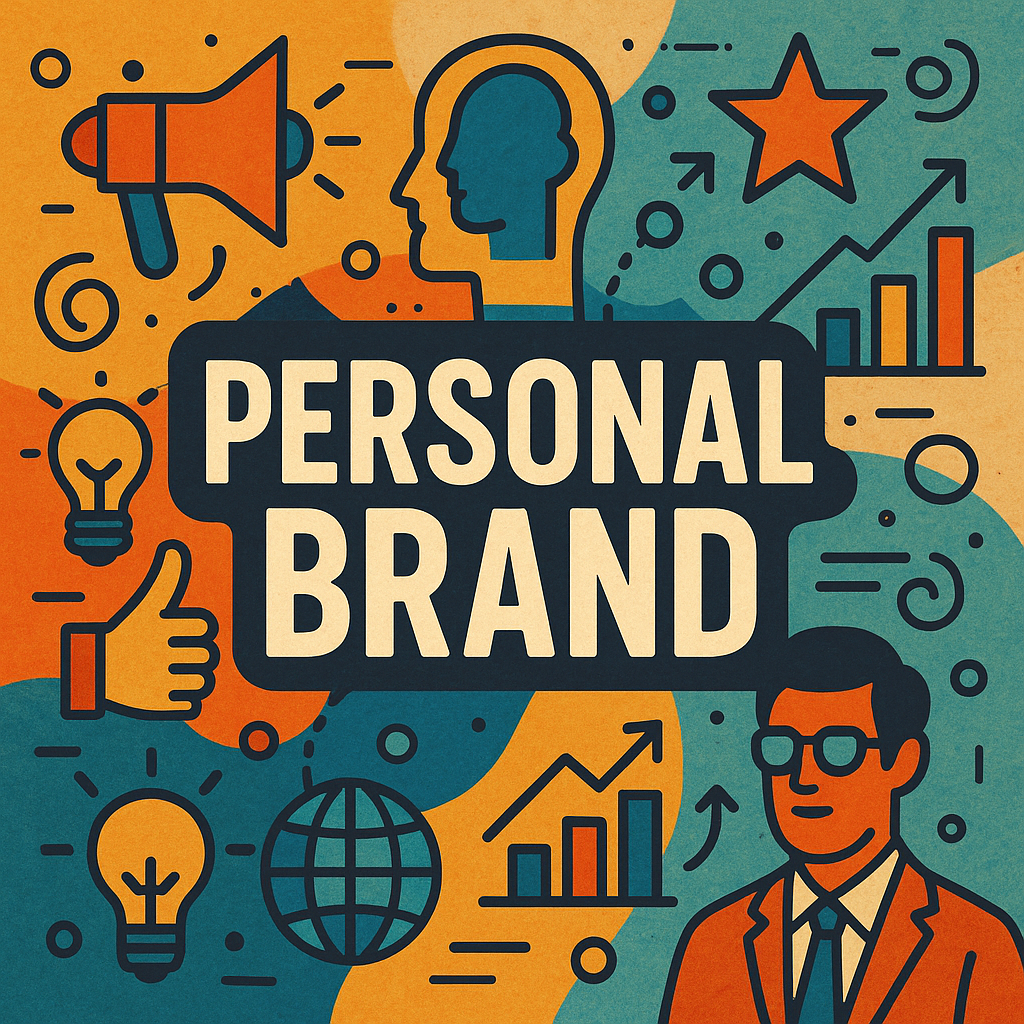
In a world flooded with content, credentials, and competition, it’s no longer enough to be the best-kept secret in your industry. Today, influence often precedes expertise—and that’s not a bad thing. It’s simply a reminder: if you’re not telling your story, someone else will.
Your personal brand is no longer a luxury for authors or influencers. It’s a strategic asset—one that top-performing CEOs, rising entrepreneurs, and mission-driven professionals are investing in with intention. Because when done well, personal branding doesn’t just open doors. It makes you the door.
What Is a Personal Brand—Really?
Forget the buzzwords. Your personal brand isn’t your logo, your headshot, or your latest LinkedIn post. It’s the sum total of how people experience you—what you stand for, how you show up, and what you consistently deliver.
It’s the clarity of your voice, the credibility of your work, and the emotion you evoke when people hear your name. In short: your personal brand is your reputation, made visible and memorable.
Why It Matters More Than Ever
Trust is the new currency of leadership—and trust is built through visibility, consistency, and authenticity. A strong personal brand accelerates trust by pre-framing how people perceive your value before you ever enter the room.
Executives who invest in their personal brands aren’t just building clout; they’re building leverage. They attract higher-caliber talent, shape public conversations, command more strategic partnerships, and gain media influence. Their brand doesn’t just reflect their leadership—it amplifies it.
The Personal Brand Misconception
The biggest myth? That personal branding is self-promotion. In reality, it’s service. It’s a commitment to sharing what you know in a way that equips others, elevates your industry, and reflects your values.
A well-crafted personal brand isn’t about spotlighting yourself—it’s about scaling your leadership voice so that others can benefit from it.
How to Build a Brand That Resonates
If you’re ready to be intentional about your personal brand, here’s where to start:
Clarify Your Core Message
What’s the transformation you help create? What perspective do you bring that others don’t? If your brand were a keynote, what’s the big idea?Align Your Presence
Your digital presence, thought leadership, and communication style should all reinforce the same story. Inconsistency confuses; clarity converts.Create Value, Not Just Content
Thought leadership isn’t just about being visible—it’s about being valuable. Share insights that spark action, challenge assumptions, or inspire bold thinking.Be Boldly Authentic
Vulnerability isn’t weakness; it’s differentiation. People connect with people, not personas. The more human your brand, the more powerful its impact.Play the Long Game
Personal branding isn’t an overnight hack—it’s a leadership discipline. Over time, your brand becomes the compounding interest on the credibility you’ve built.
Final Thought
In the era of AI, automation, and relentless noise, your most enduring competitive advantage is something no machine can replicate: your voice, your values, and your vision.
Your personal brand is how the world remembers you. Don’t let it be an afterthought. Make it an asset.
#PersonalBranding, #Leadership, #ThoughtLeadership, #BrandStrategy, #ExecutivePresence, #AuthenticLeadership, #CareerGrowth, #TrustBuilding, #InfluenceMatters