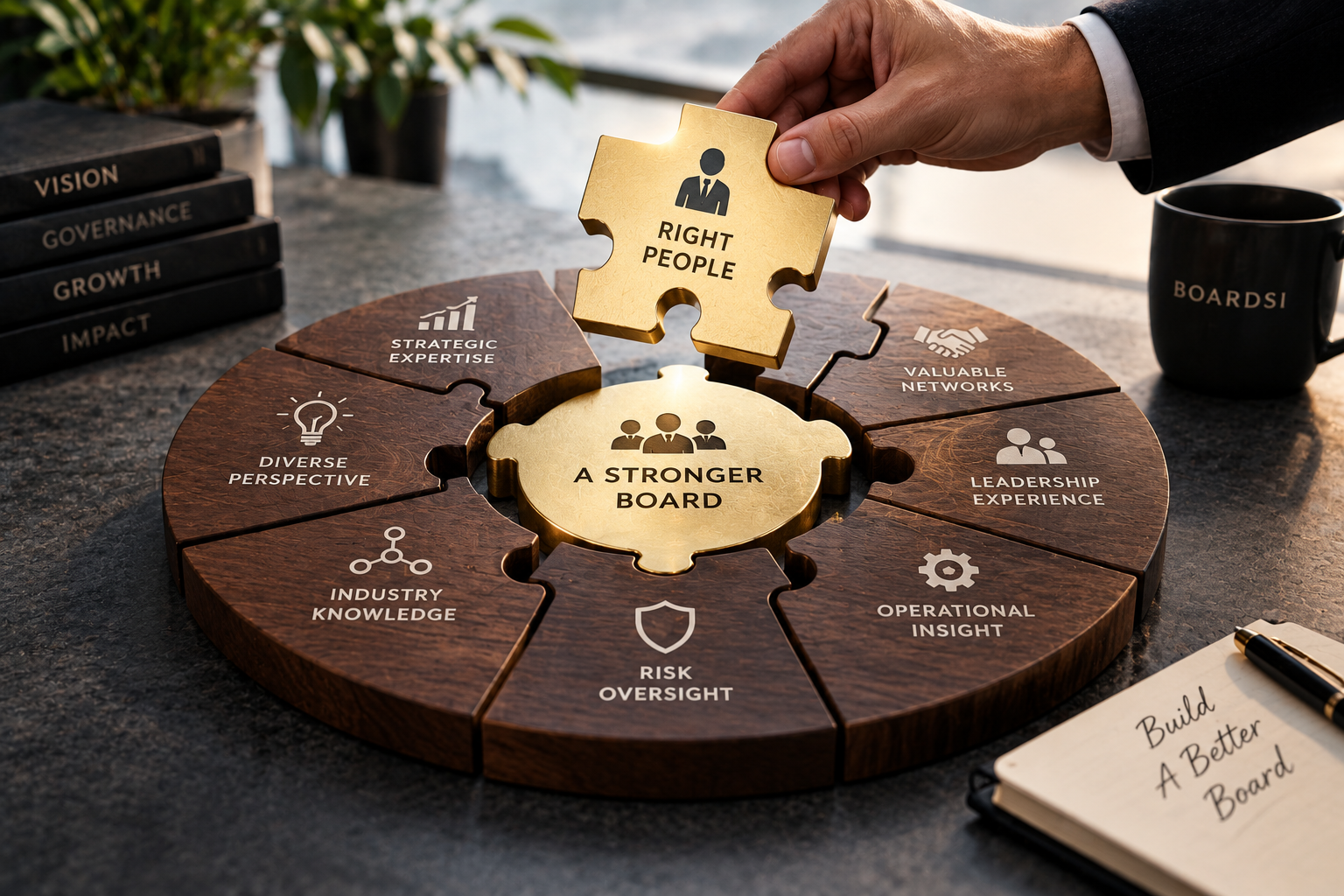

For every successful organization, a dedicated team guides its direction – and at the helm, we find the company board members. Boardsi.com, a leading platform for board management solutions, recognizes the critical role these individuals play. This article delves into the composition of a company board, explores the responsibilities of company board members, and highlights how Boardsi.com empowers both boards and individual members to function at their highest potential.
Beyond the Title: The Diverse Landscape of Company Board Members
A well-structured company board comprises a variety of individuals with complementary skillsets and backgrounds. Here’s a breakdown of some key company board members:
- Executive Directors: These board members are also part of the company’s executive team, providing strategic guidance and overseeing day-to-day operations (e.g., CEO, CFO).
- Non-Executive Directors (Independent Directors): These individuals bring an outside perspective, offering objective insights and ensuring the best interests of the shareholders.
- Chairperson/Chairwoman (President of the Board): Leads board meetings, sets agendas, and fosters a productive boardroom environment.
- Committee Chairs: Individual board members lead specific committees focusing on areas like audit, compensation, or nominations.
The Weight of Responsibility: Duties of Company Board Members
Serving on a company board comes with significant responsibilities:
- Strategic Direction: Develop and implement long-term strategies driving growth, profitability, and market leadership.
- Financial Oversight: Ensure strong financial controls, monitor company performance, and approve financial statements.
- Risk Management: Establish and manage risks effectively, protecting the company and stakeholders’ interests.
- Corporate Governance: Maintain high standards of corporate governance practices to ensure accountability and transparency.
- Stakeholder Engagement: Communicate effectively with investors, employees, and other stakeholders.
How Boardsi.com Empowers Company Boards and Board Members
Boardsi.com offers valuable solutions to company boards and individual board members:
- Board Management Software: Streamline board communication, collaboration, and secure document sharing.
- Board Evaluation & Development Resources: Assess board effectiveness, identify areas for improvement, and provide resources for continuous board development.
- Board Meeting Management Tools: Facilitate efficient board meetings with agendas, meeting minutes, and secure virtual meeting capabilities.
- Director Education & Resources: Individual board members can access guides and training materials on key topics relevant to board governance.
Building a Strong Board for Long-Term Success
Effective company boards are essential for organizational sustainability. By understanding the roles and responsibilities of company board members, and utilizing resources like Boardsi.com, organizations can build strong boards with the expertise and dedication to guide them towards long-term success.
#companyboardmembers, #boardroles, #boarddevelopment, #corporategovernance, #leadership, #business, #boardsi, #boardmanagement, #careergoals, #executivesearch