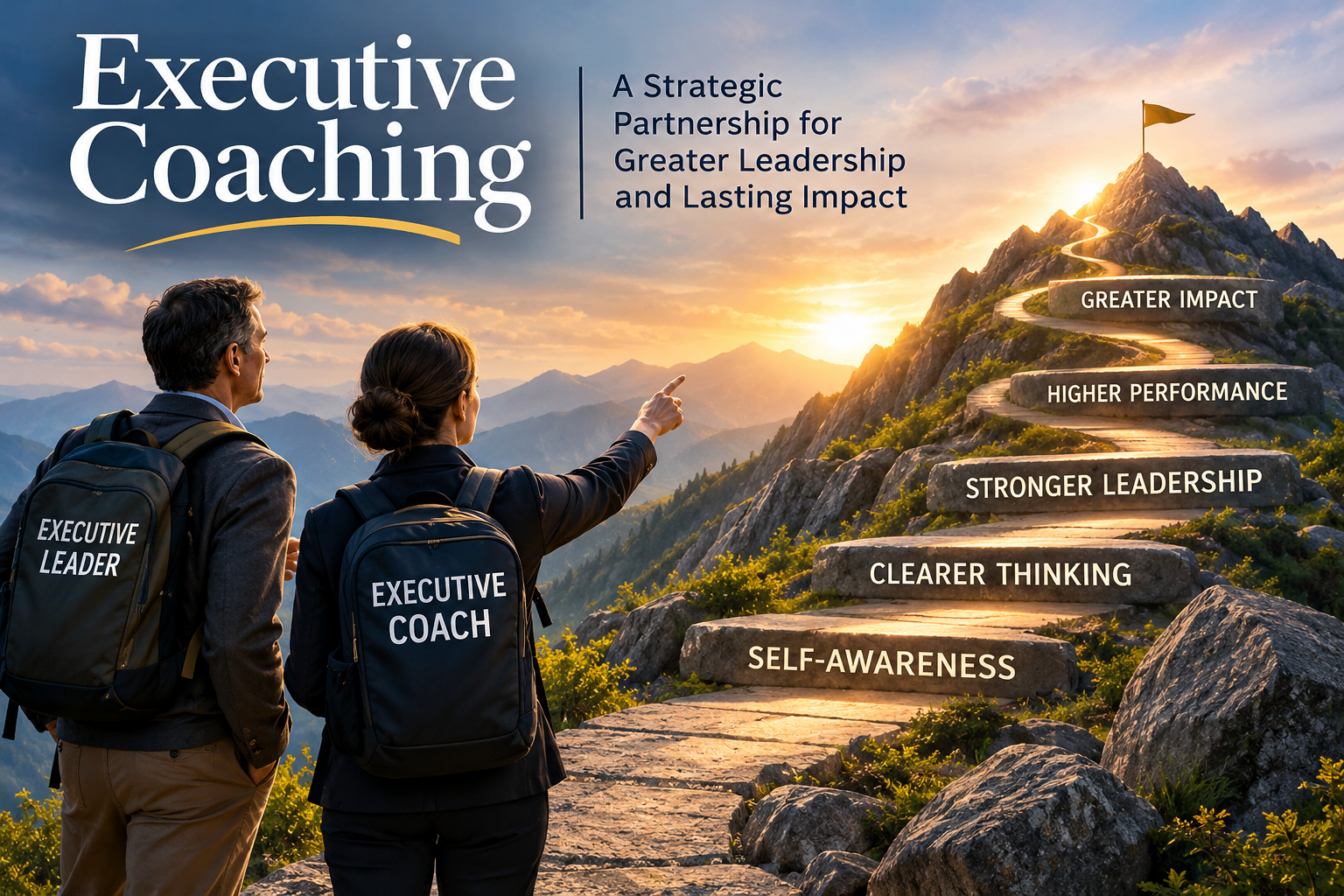

The world of leadership is constantly evolving, demanding more from executives than ever before. Enter leadership advisory roles, where experienced professionals offer invaluable guidance and support to leaders navigating complex challenges. But with this growing demand, navigating the landscape and securing ideal advisory roles can feel overwhelming. Fear not, changemakers! This guide equips you with the knowledge and strategies to position yourself effectively for impactful leadership advisory roles, empowering you to make a real difference in the lives of leaders and organizations.
1. Exploring the Diverse Landscape of Advisory Roles:
- Understanding Your Niche: From executive coaching to strategic consulting, various advisory roles exist. Identify your strengths, experience, and preferred engagement style to find your perfect fit.
- Industry Specialization: Consider focusing on specific industries or sectors where your expertise can bring unique value to leaders facing industry-specific challenges.
- Researching Potential Opportunities: Utilize resources like Boardsi, industry publications, and professional networks to discover relevant advisory positions.
2. Building Your Leadership Advisory Brand:
- Highlighting Relevant Experience: Showcase your leadership journey, emphasizing past roles where you’ve guided and supported others. Quantify your impact and achievements whenever possible.
- Demonstrating Expertise & Insights: Share your unique perspective on leadership trends and challenges through publications, speaking engagements, or online platforms like LinkedIn.
- Building Relationships & Networking: Connect with other advisors, leaders, and organizations in your target niche, fostering connections and building your reputation.
3. Mastering the Application & Interview Process:
- Tailored Applications & Proposals: Craft compelling applications and proposals that resonate with the specific needs and challenges of each organization seeking an advisor.
- Interview Preparation: Research the organization thoroughly, anticipate common interview questions, and prepare confident, articulate responses showcasing your value proposition.
- Leveraging Expertise: Consider utilizing Boardsi’s resources and expertise to optimize your application and interview strategy for leadership advisory roles.
4. Beyond the Contract: Building a Thriving Advisory Journey:
- Active Engagement & Communication: Be a proactive partner, maintaining regular communication with the leader and offering timely insights and support.
- Tailored Guidance & Support: Adapt your approach to each leader’s unique needs and learning style, fostering trust and creating a personalized development experience.
- Demonstrating Impact & Value: Track your progress and share success stories to showcase the tangible impact you’re making on the leader and the organization.
- Continuous Learning & Development: Stay abreast of emerging leadership trends and best practices to ensure you’re providing the most relevant and valuable guidance.
Remember: Earning a leadership advisory role goes beyond qualifications; it’s about your passion, expertise, and ability to connect with and empower leaders. By following these key steps, utilizing available resources, and cultivating meaningful relationships, you can turn your desire to guide others into a fulfilling and impactful career as a leadership advisor.
#leadershipadvisory #execcoach #leadershipdevelopment #consultant #mentor #strategicguidance #boardsI #diversityinleadership #careeradvancement#leadershiproles #coaching #leadershipgrowth #advisors #mentorshipmatters #strategicthinking #impactfulleaders #diverseleaders #careergoals