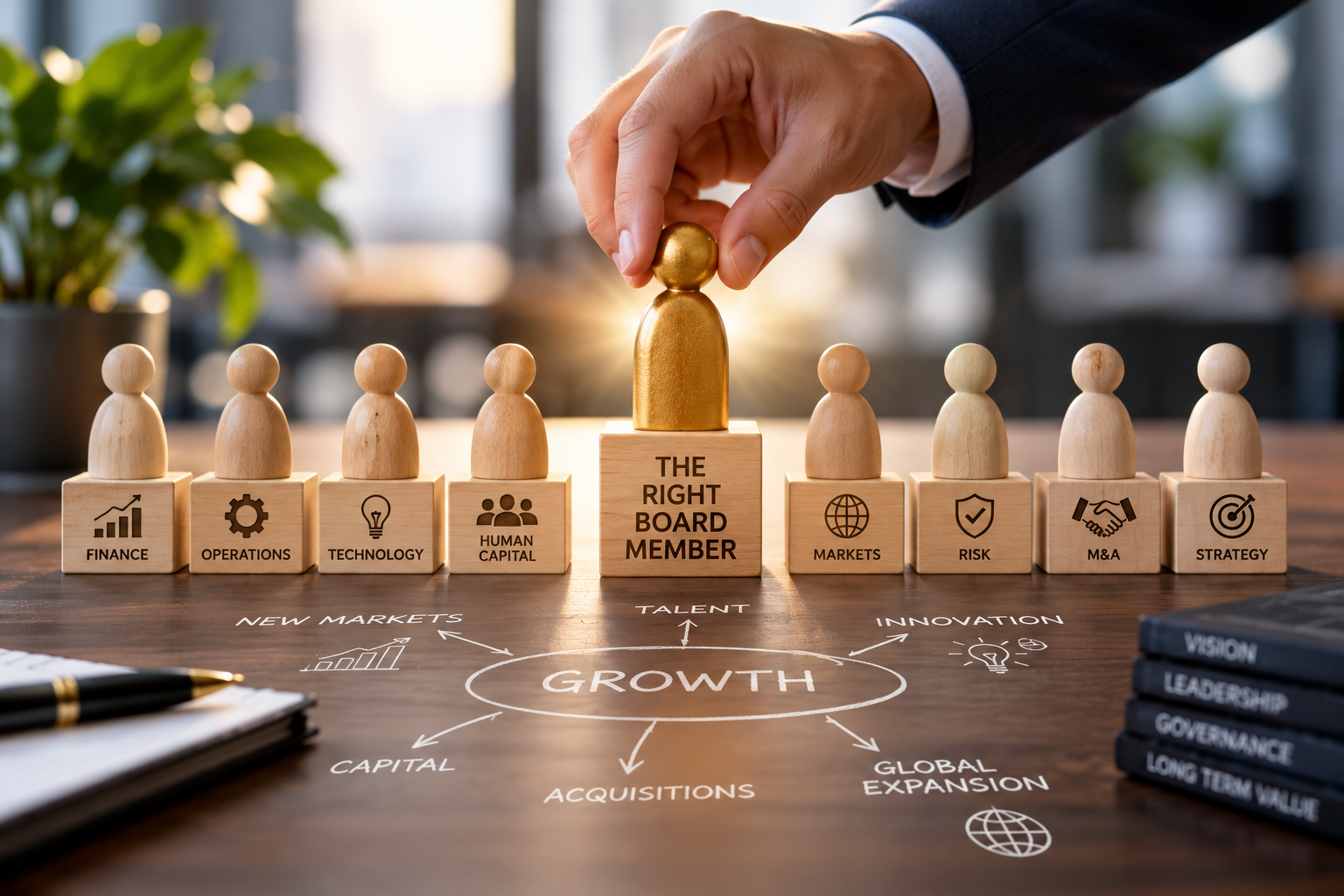

In today’s C-suite, being invited into the boardroom is a milestone. But staying influential once you’re there? That requires world-class preparation.
Whether you’re a seasoned executive, a newly appointed board member, or a rising leader preparing for your first board interaction, how you prepare can make the difference between passive presence and powerful impact.
Boardroom preparation is more than reviewing reports. It’s about sharpening your strategic voice, reading the room, and showing up with insights that move the conversation—and the organization—forward.
Why Boardroom Preparation Is a Strategic Imperative
Board meetings are no longer routine reviews. They are pivotal forums where long-term direction, risk posture, growth opportunities, and leadership credibility are all on display. Entering that space underprepared—or misaligned—can jeopardize not just a decision, but your personal brand as a leader.
At Boardsi, we’ve seen firsthand how top-tier executives transform boardroom preparation into a core leadership competency. The best prepare not just with data, but with perspective.
1. Master the Business, Not Just the Binder
Don’t just flip through the pre-read packet. Dive deep into the “why” behind the numbers. Ask:
What’s the strategic context behind this data?
What decisions are likely to be made in this session?
Where might the board challenge assumptions—and how will I respond?
Great boardroom preparation means having your facts straight and your story sharper.
2. Align with the Agenda, But Bring More Than Answers
Every boardroom has a written agenda—and an unwritten one.
Beyond the bullet points, consider:
What’s politically or emotionally sensitive right now?
What emerging risks or opportunities might be quietly looming?
Where can I bring proactive insight, not just reactive input?
Executives who lead in the boardroom anticipate not only the questions but also the subtext.
3. Build Trust Through Presence, Not Just Performance
Data earns a glance. Presence earns trust.
Your ability to command attention, navigate challenge, and communicate with executive fluency matters. This includes:
Practicing brevity with substance
Reading body language across the room
Remaining steady under fire
Preparation isn’t just intellectual. It’s emotional, relational, and reputational.
4. Elevate From Operational to Strategic
Boards don’t want operational noise—they want strategic signal.
To prepare like an executive leader:
Translate metrics into meaning
Focus on implications, not just information
Be ready to speak to both vision and velocity
If you’re reporting on operations, be clear how those activities ladder up to long-term value creation.
5. Plan for Pushback—and Use It as a Credibility Builder
Pushback is not a threat. It’s a chance to demonstrate resilience, reason, and resolve.
The best boardroom preparation includes:
Pre-drafting responses to tough questions
Modeling different stakeholder perspectives
Bringing options, not ultimatums
When challenged, rise—not react.
Final Thoughts: Show Up With Clarity, Stay With Purpose
Being at the table is only the beginning. Whether you’re preparing for a CEO presentation, a board candidate interview, or your first 100 days as a new board member, your preparation signals your value.
At Boardsi, we connect executives and companies not just with opportunity, but with readiness. Because the boardroom is where leadership is tested—and revealed.
#BoardroomPreparation,#ExecutiveLeadership,#StrategicLeadership,#BoardReadiness,#CorporateGovernance,#LeadershipDevelopment,#ExecutivePresence,#Boardsi,#CLevelInsights,#BoardInfluence