In today’s hyper‑connected, business‑ecosystem world, organizations cannot afford to operate as a collection of silos. The most successful companies are guided by leaders who think beyond their function, geography, or business unit—leaders who embrace an enterprise mindset. This mindset changes how boards, executives, and advisory teams view their role, align their efforts and deliver impact across the full value chain.
Here’s why the enterprise mindset is essential, and how boards and senior leadership can cultivate it.
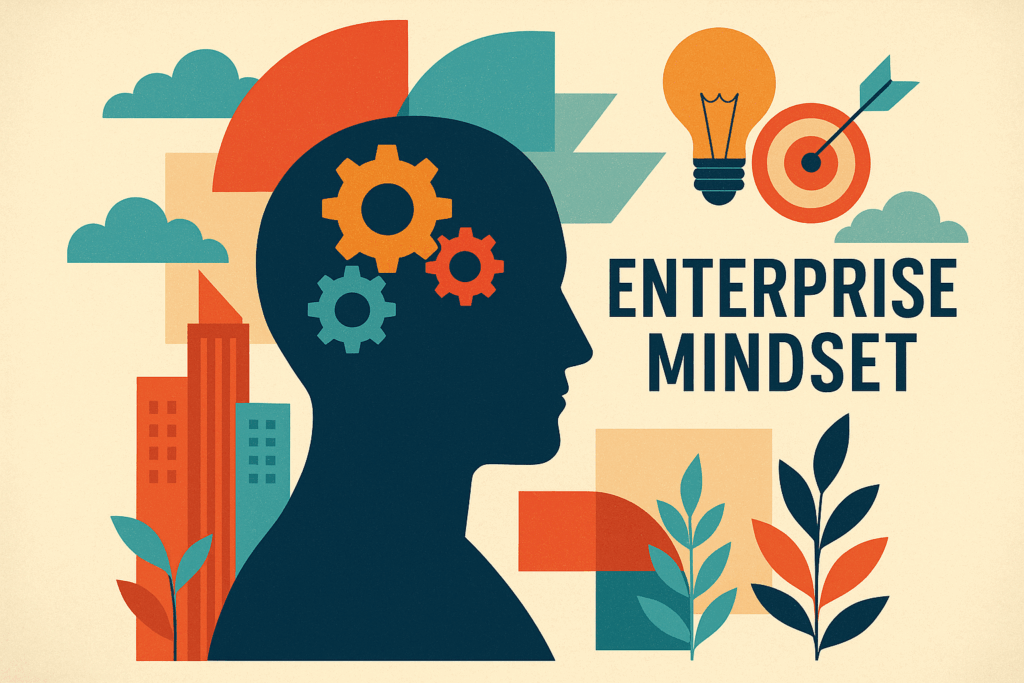
What is the Enterprise Mindset?
An enterprise mindset means viewing decisions, actions and strategy through the lens of the entire organization and its ecosystem—not just one department or region. According to research from Wharton School, while a majority of leaders may meet the objectives of their business unit, only a small fraction operate with a true enterprise mindset. Wharton Executive Education+1
Leaders with this mindset ask: What will this decision do for the whole company? How will this initiative affect other functions? How will it scale beyond the unit?
At its core, the enterprise mindset encompasses:
Deep business acumen (how the organization creates and captures value) Harvard Business Impact
Cross‑functional awareness and agility The People Side
Long‑term orientation combined with short‑term performance discipline Korn Ferry
Why Boards, Advisors and Senior Leaders Should Prioritize It
1. Reduced Silos, Greater Coherence
When leaders adopt an enterprise mindset, they reduce silos and promote one common mission. As one CEO put it, moving from “my team’s goals” to “our company’s goals” is the breakthrough moment for enterprise‑first culture. shrm.org
2. Enhanced Strategic and Financial Outcomes
Leaders who understand the business as a whole (not just their own piece) make smarter choices about trade‑offs, resources, risk and growth. Harvard‑linked research shows that capability in business acumen (strategy + finance + market understanding) is a differentiator for organizations. Harvard Business Impact
3. Future‑Ready Leadership and Governance
In volatile, uncertain, complex and ambiguous (VUCA) times, organizations need leadership that can transform, not just perform. The enterprise mindset equips boards and executives to oversee both operational excellence and strategic transformation. Korn Ferry+1
Five Practices to Build an Enterprise Mindset
Shift From Unit Goals to Enterprise Goals
Begin by making explicit the enterprise‑level impact of any initiative. Ask: “How does this serve the organisation’s larger mission?” Leaders who filter decisions first through “what’s best for the enterprise” build the broader view. The People Side+1Develop Cross‑Functional Fluency
Encourage board members, advisors and executives to understand other functions—not simply their own domain. A marketing leader who visits finance, operations and customer‑service units gains insight into hidden interdependencies. The People SideCultivate Business Acumen Across the Board
The enterprise mindset is grounded in clarity about value creation, markets, cost structures and strategy. Boards should elevate discussions beyond surface metrics to answer: What is the business model? Where are we vulnerable? Harvard Business Impact+1Embed Long‑Term & Ecosystem Thinking
Encourage leaders to think beyond immediate next quarter and internal walls: What’s changing in the ecosystem? What adjacent opportunities exist? What external stakeholders matter? Korn FerryModel and Reward Behaviour That Serves the Whole
Leadership behaviours matter. Board members and advisors should observe and highlight when cross‑unit collaboration, enterprise trade‑offs and broader mindset prevail. This goes beyond incentive systems—it’s cultural. Justice Group Advisors
How Boardsi Supports Building Enterprise Mindset in Governance
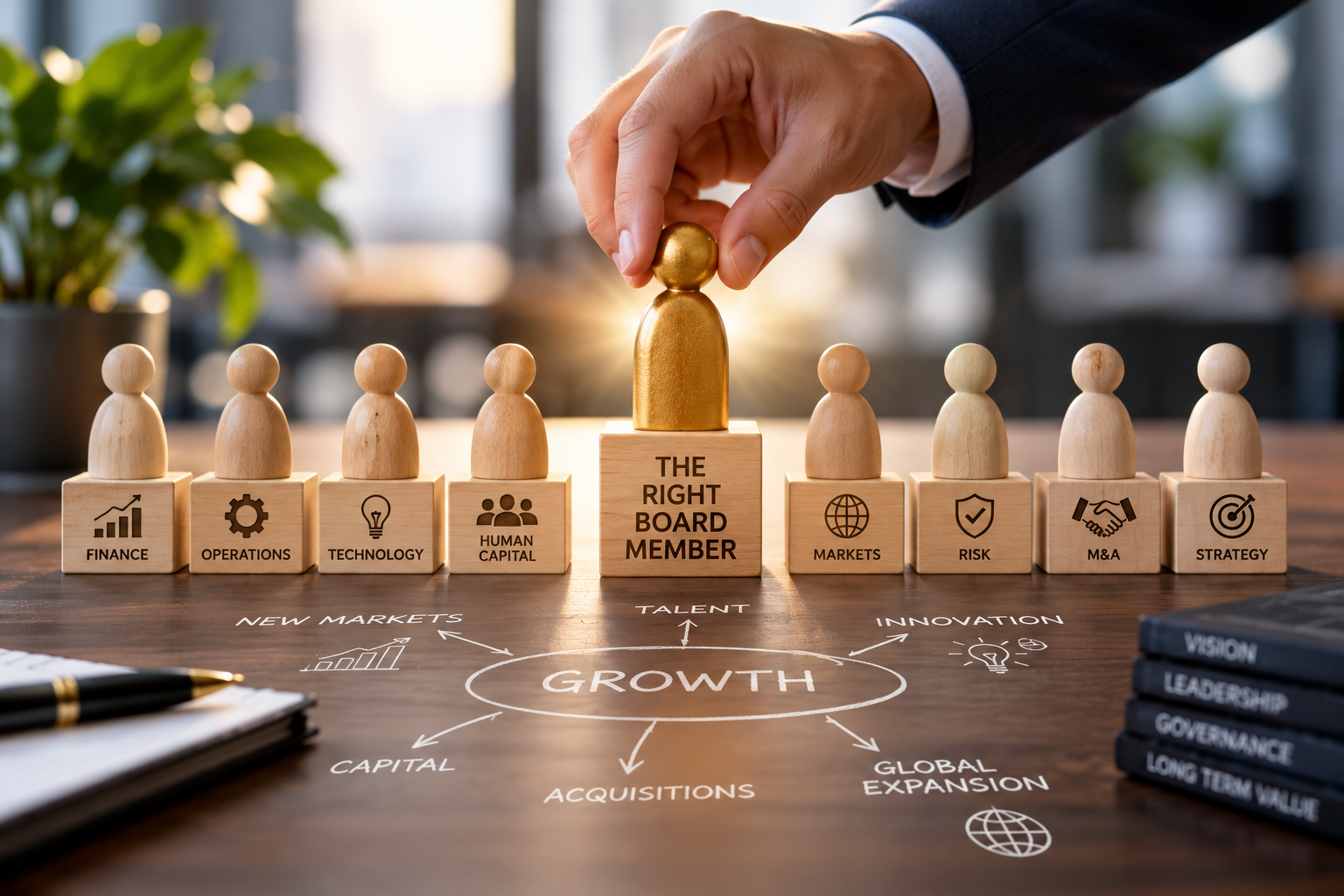
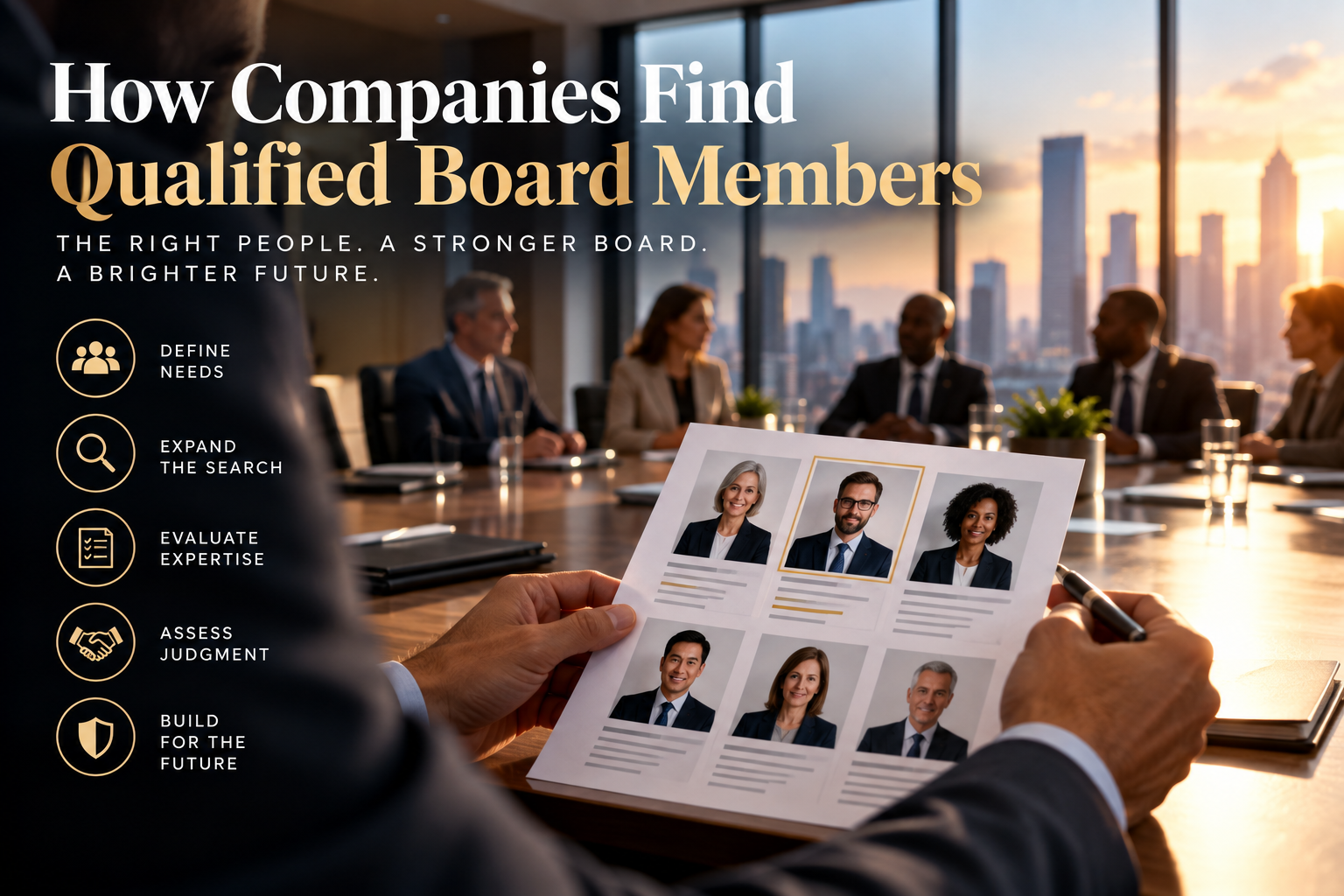
At Boardsi, we recognise that assembling board and advisory teams isn’t just about titles—it’s about mindset. Our network and matched‑search model emphasise individuals with an enterprise mindset—leaders who operate horizontally, think systemically and lead with both purpose and performance.
When you engage with Boardsi, you gain:
Access to board‑ready leaders who bring enterprise perspective, not just functional depth.
Advisory members who challenge silos, surface trade‑offs and think across the enterprise footprint.
Structured onboarding and alignment that helps new board/advisor members adopt the enterprise view from day one.
Final Thought
In the age of rapid flux and shifting boundaries, what distinguishes resilient, high‑performing organizations is less a specific technology or acquisition than a mindset. The enterprise mindset transforms how decisions are made, how resources are allocated and how culture evolves.
For boards, advisors and executives affiliated with Boardsi, the question is no longer whether you need the enterprise mindset—it’s how quickly you can shift into it, and how deeply you embed it across your organisation.
Because success today demands that leaders stop thinking in functions and start thinking in ecosystems.
#EnterpriseMindset, #BoardMembers, #Advisors, #Leadership, #Governance, #StrategicThinking, #Boardsi, #CrossFunctionalLeadership, #ExecutiveLeadership, #LeadershipDevelopment, #CorporateLeadership, #AdvisoryBoards, #BusinessGrowth