A well-functioning executive board is the backbone of any successful organization. However, effective leadership doesn’t happen by chance. Executive board succession planning is a critical, ongoing process that ensures a smooth transition when a key board member steps down. This article explores the importance of succession planning and provides practical steps to develop a robust plan for your organization.
Why is Executive Board Succession Planning Important?
- Minimizes Disruption: A well-defined succession plan ensures a smooth transition of leadership, minimizing disruption to the organization’s operations and strategy.
- Attracts & Retains Top Talent: Demonstrating a commitment to long-term leadership planning showcases stability and attracts high-caliber candidates for board positions.
- Mitigates Risk: Unexpected departures can create uncertainty and instability. Succession planning helps mitigate this risk by identifying and developing potential successors who are well-prepared to step into key roles.
- Ensures Continuity of Vision: A strong succession plan helps maintain the organization’s mission, values, and strategic direction by identifying successors who are aligned with these core principles.
Building a Sustainable Executive Board Succession Plan:
- Board Composition & Term Limits: Assess the current board composition and consider implementing term limits to encourage ongoing board refreshment.
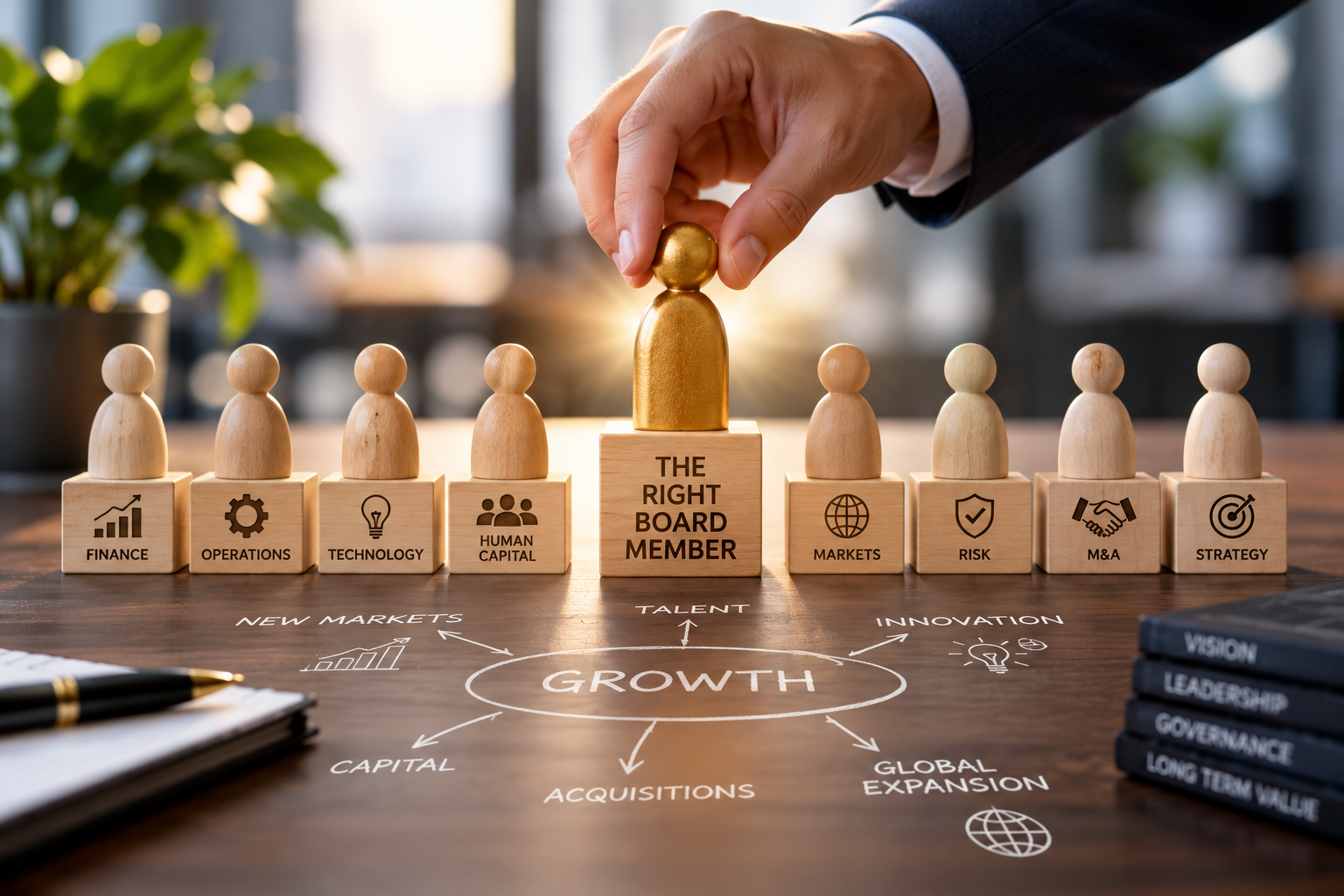
- Identify Key Roles & Skills: Determine the specific roles and skills required for each executive board position.
- Talent Identification & Evaluation: Proactively identify and evaluate potential successors, both internally and externally. This may involve mentoring programs and leadership development initiatives.
- Development & Training: Invest in ongoing development and training programs to equip potential successors with the necessary skills and experience for board service.
- Communication & Transparency: Maintain open communication with board members about the succession plan and keep the board informed about the development of potential successors.
Boardsi: Your Partner in Executive Board Succession Planning
At Boardsi, we understand the importance of executive board succession planning. We offer a comprehensive suite of services designed to guide you through the process:
- Succession Planning Assessment: We conduct a thorough evaluation of your current succession planning practices and identify areas for improvement.
- Talent Pool Development: We assist you in identifying and developing a pool of qualified candidates for future board vacancies.
- Board Development Programs: We offer customized board development programs to equip potential successors with the knowledge and skills necessary for effective board service.
- Board Evaluation & Governance Best Practices: We provide guidance and resources to ensure your board operates in accordance with best practices in corporate governance.
By partnering with Boardsi, you gain access to the expertise and resources necessary to develop a robust executive board succession plan. A well-defined plan ensures organizational stability, attracts and retains top talent, and secures the future success of your organization.
Ready to embark on the journey of executive board succession planning? Contact Boardsi today and let’s discuss how we can help you build a sustainable leadership pipeline for your organization.
#boardsuccessionplanning #leadershiptransition #corporateg governance #organizationalstability #longtermvision