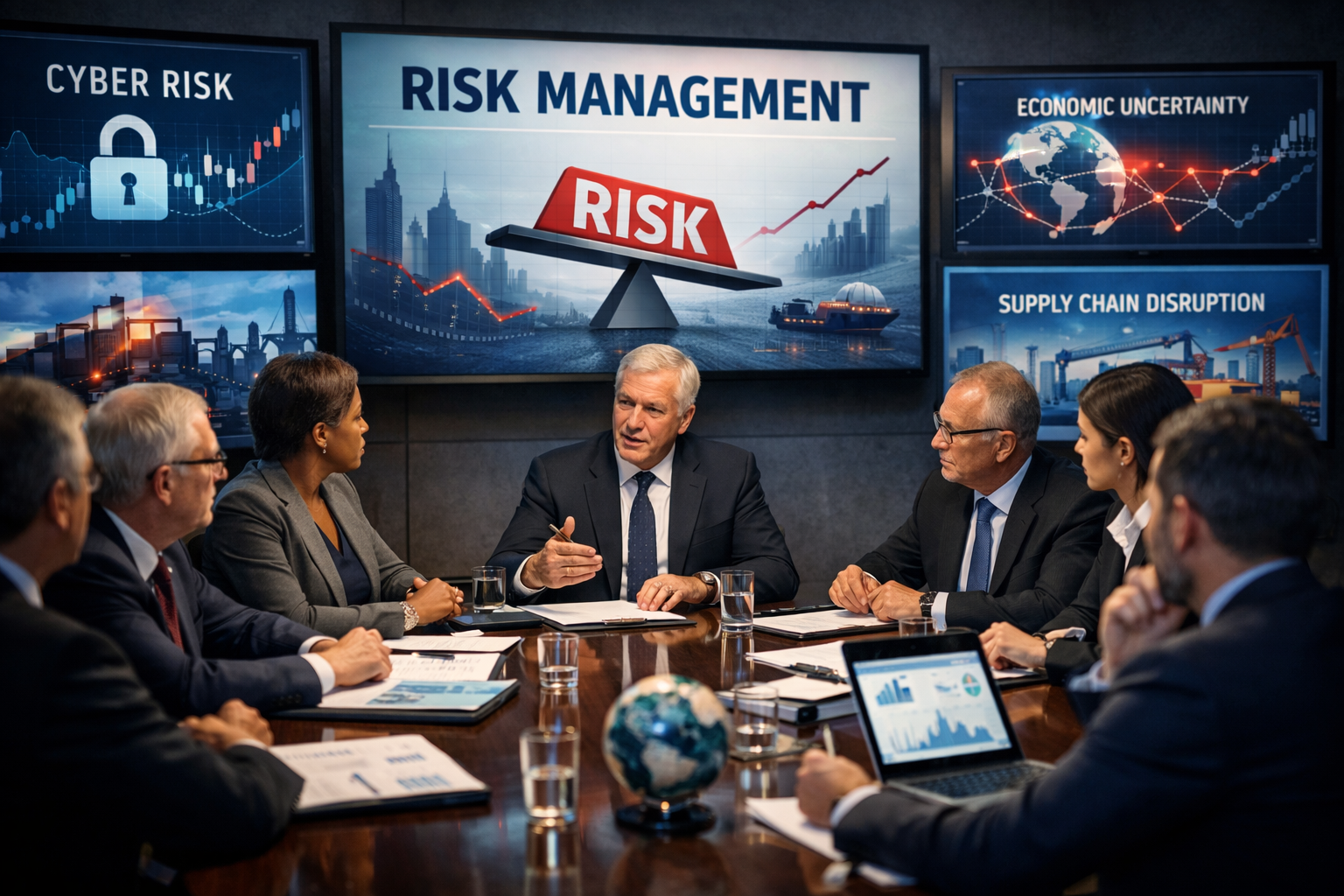

We often assume that trust in the boardroom is a byproduct of shared credentials, strategic alignment, or a long track record of experience. But trust doesn’t quietly arrive on meeting agendas. It must be earned, intentionally nurtured, and courageously protected.
Trust at the highest levels of leadership is not a soft sentiment—it’s a hard edge of competitive advantage. And paradoxically, the fastest way to lose it is to chase performance without prioritizing connection.
Trust Isn’t Built in Strategy Sessions. It’s Built in Small Moments.
Real trust isn’t created in moments of agreement—it’s tested in the moments that stretch us.
When a board member challenges the majority and is still heard respectfully.
When someone admits they don’t know something—and it isn’t used against them.
When feedback is direct, but never demeaning.
When a mistake is owned without spin.
These are the moments that determine whether a board is united or just coexisting.
Disconnection Is the Real Risk
What derails boards isn’t always poor decision-making—it’s the unspoken tension beneath the surface. It’s when team members feel the need to posture rather than participate. It’s when people smile in meetings but vent in private. It’s when fear of judgment outweighs the willingness to speak truth.
Boards don’t crumble because of disagreement. They crumble when people start protecting themselves instead of the mission.
The Cost of Protecting Your Image
At the highest levels of leadership, the temptation to appear certain, competent, and composed at all times is strong. But the truth is, no one has all the answers. No one gets it right every time.
When people at the table pretend otherwise, trust erodes. Decision-making becomes transactional. Courage shrinks.
Real leadership isn’t about always knowing—it’s about always showing up with clarity, curiosity, and humility.
Trust Looks Like This
In action, board-level trust is less about grand declarations and more about a shared willingness to:
Speak up even when it’s uncomfortable
Ask for help without shame
Challenge ideas without attacking people
Admit fault and recover with integrity
Stay open, especially in disagreement
These aren’t just behaviors. They are commitments. And they are what separate functional boards from high-trust, high-impact boards.
Culture Is a Board-Level Responsibility
Too often, culture is delegated to the HR department or operational teams. But the tone is set at the top. Boards that foster trust don’t just monitor culture—they model it.
They ask hard questions, not just about financials or risk, but about how people are being treated. How decisions are being made. How aligned leadership behavior is with the values printed in the annual report.
Trust isn’t just built through process. It’s built through presence.
A Better Boardroom Starts With a Braver Conversation
To build board-level trust, we must be willing to go first—to offer respect before it’s earned, to listen before responding, to ask before assuming.
Because when leaders trust one another, they’re not just better collaborators—they’re braver, bolder, and far more capable of stewarding real transformation.
If you’re looking to build a board that doesn’t just lead effectively—but leads with courage, accountability, and deep trust—it’s time to start with the culture you create at the table.
#boardleadership, #executivetrust, #corporategovernance, #leadershipculture, #emotionalintelligence, #psychologicalsafety, #trustandleadership, #highperformingboards, #boardroomstrategy, #courageousleadership