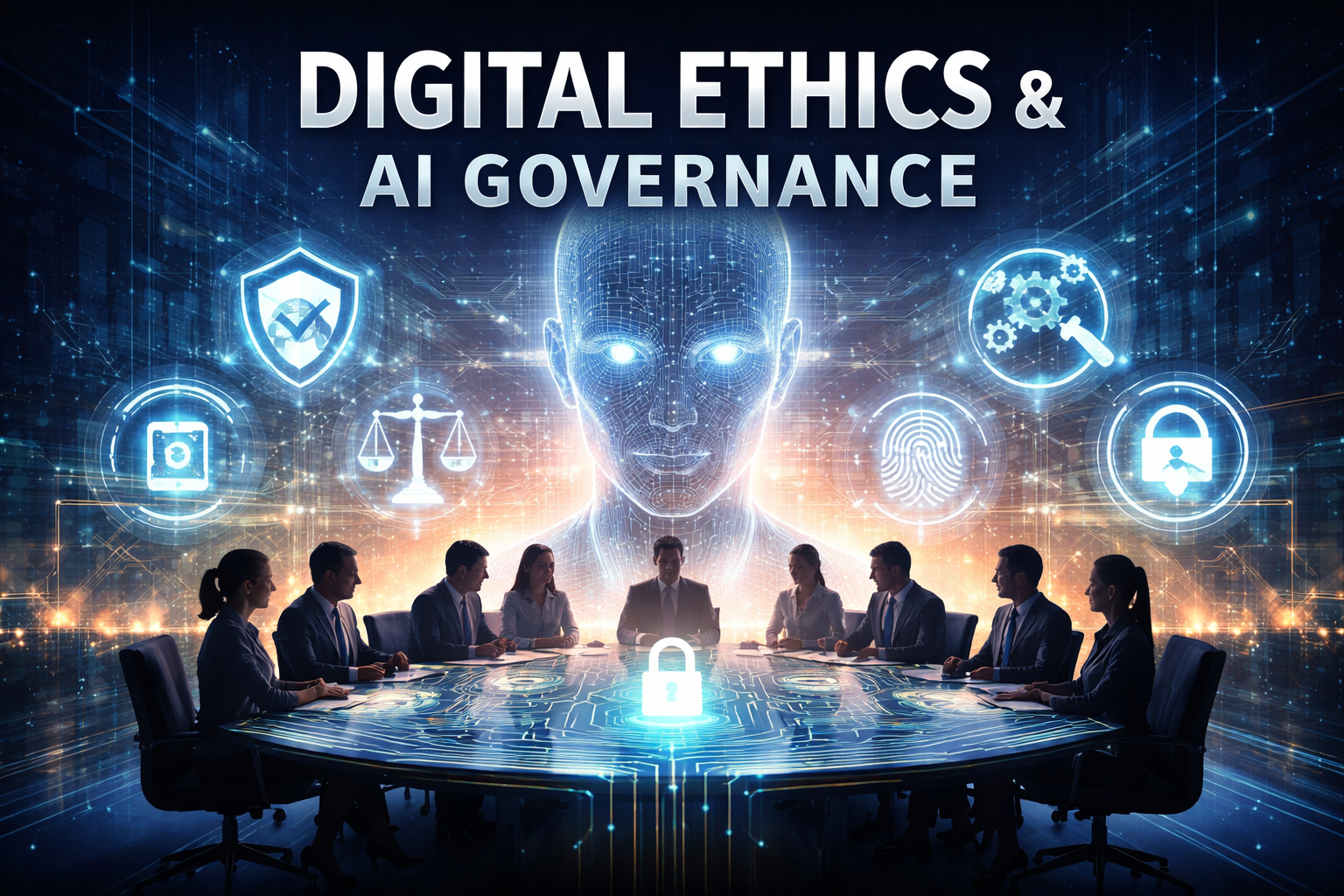

In a business world reshaped by digital disruption, geopolitical shifts, and stakeholder activism, the role of the corporate board is undergoing a profound transformation. No longer ceremonial, today’s board roles demand not only strategic foresight but also an active command of emerging risks, opportunities, and ESG imperatives.
From Oversight to Insight
Corporate boards have traditionally served as fiduciary stewards, focused on compliance, financial reporting, and CEO accountability. But the modern board is far more than a passive checkpoint. It’s a crucible for strategic insight—a forum where complex challenges around AI ethics, sustainability, cybersecurity, and workforce evolution converge.
The board’s shift from oversight to insight requires directors to adopt a mindset of continuous learning and to bring intellectual agility to the table. Gone are the days when retired executives could rely solely on operational experience. Today, relevance equals readiness.
The Rise of Specialized Directors
As the scope of board responsibilities expands, so does the composition of boards themselves. Companies are increasingly seeking specialized directors—those with deep expertise in areas like fintech, climate risk, digital transformation, and DEI.
Boards now feature directors who may never have held a CEO title but bring unique perspectives from sectors such as academia, venture capital, or global public policy. This mosaic of experience is a strategic asset, not a liability.
Governance Meets Purpose
Purpose is no longer a branding exercise; it’s a governance imperative. Boards are expected to align corporate purpose with performance, ensuring that environmental, social, and governance (ESG) factors are embedded in long-term strategy.
This calls for courageous conversations in the boardroom. Directors must challenge assumptions, interrogate strategy, and advocate for stakeholders who may not be in the room but are critical to a company’s social license to operate.
Talent, Technology, and Trust
Beyond strategy, modern board members are stewards of three key levers: talent, technology, and trust.
- Talent: In a competitive labor market, boards must oversee human capital strategies with the same rigor as financial performance. Succession planning, workforce wellness, and leadership diversity are front-burner issues.
- Technology: Boards must interrogate how technology is deployed, protected, and governed. Cybersecurity is no longer an IT issue—it’s a boardroom agenda item.
- Trust: With rising stakeholder scrutiny, trust is currency. How companies govern data privacy, social impact, and ethical behavior determines their resilience in crisis.
Looking Ahead
Corporate board roles are no longer reserved for the well-connected elite. They are strategic, high-stakes platforms for leaders who want to shape the future, not just safeguard the past.
As governance expectations intensify, boards must evolve from status symbols to strategic symphonies. And the best directors will be those who bring not just wisdom, but the will to challenge, adapt, and lead.
#CorporateGovernance, #BoardRoles, #ESG, #BoardLeadership, #StrategicInsight, #BoardDiversity, #ModernBoards, #ExecutiveLeadership