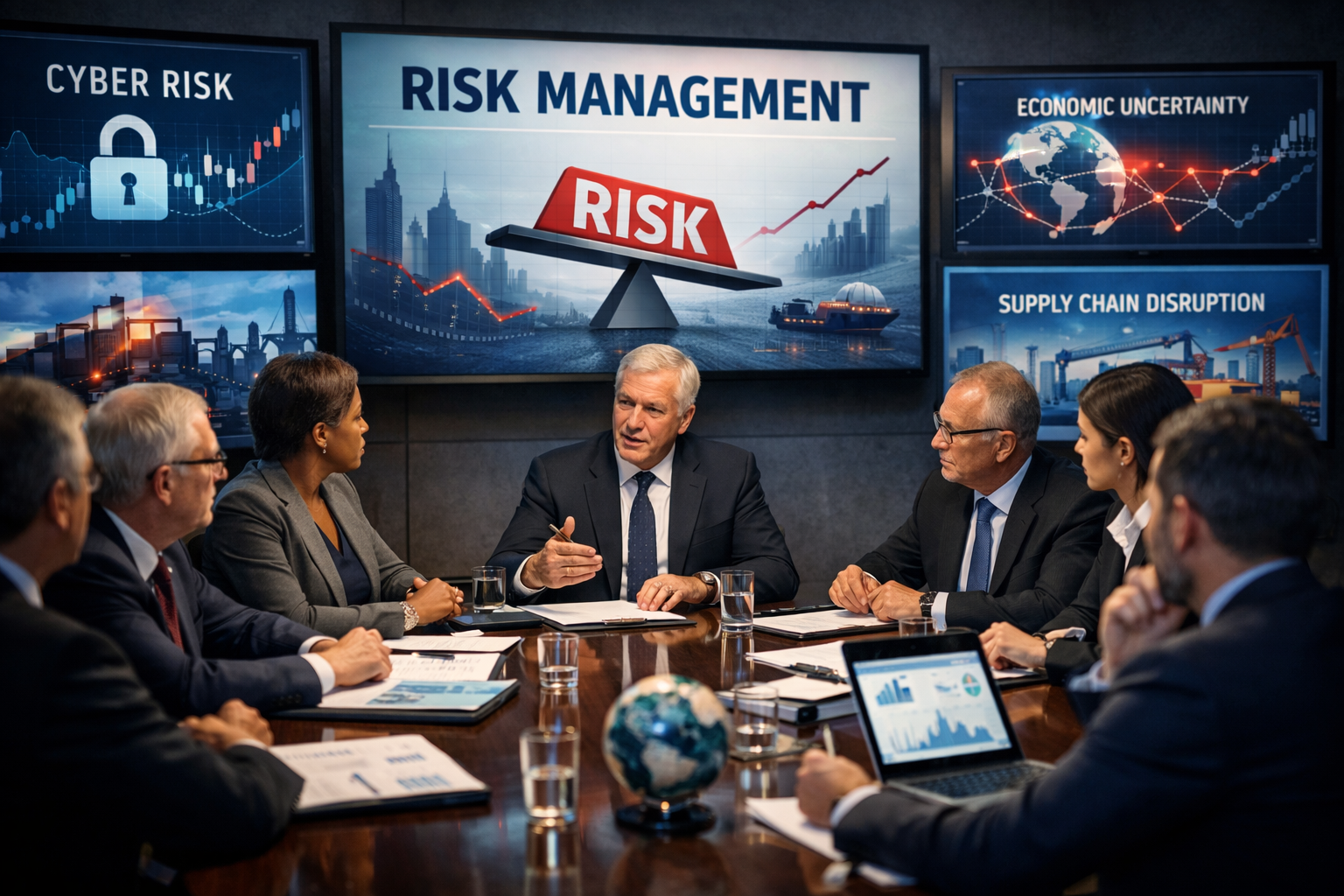
In an age defined by disruption, volatility, and reinvention, the executive bench is being tested like never before. The question confronting boards and CEOs today is not whether the next generation of leadership is talented—but whether they are ready.
C-suite readiness has emerged as a strategic priority for organizations navigating everything from digital transformation and workforce realignment to stakeholder capitalism and geopolitical flux. The stakes are high. Promising executives who fail to scale at the pace of business can stall strategy, erode morale, and jeopardize market standing. Conversely, leaders who rise too quickly without sufficient depth or discernment risk costly missteps in the spotlight.
Redefining What “Ready” Really Means
The traditional markers of executive readiness—domain expertise, operational success, financial acumen—remain important. But today’s environment demands more.
Boards and CEOs are increasingly looking for enterprise leaders who demonstrate:
Adaptive thinking: The ability to pivot without losing clarity or confidence.
Stakeholder fluency: Comfort balancing investor demands with employee well-being, customer trust, and public scrutiny.
Digital intuition: A strategic grasp of technology’s impact across business models, even for roles outside the CIO’s office.
Leadership maturity: Emotional intelligence, humility, and the capacity to inspire across cultures, generations, and remote teams.
These attributes are harder to measure—and harder to teach. But they define readiness in a leadership context where ambiguity is the norm, not the exception.
Why C-Suite Readiness Is a Board-Level Concern
Succession planning has traditionally lived within the CHRO’s domain. But forward-thinking boards are elevating it to a governance priority. The logic is simple: CEO transitions are among the most high-impact decisions any board will make. Yet beneath the top job lies a broader readiness challenge.
Consider the CFO asked to take on broader transformation leadership, the CMO expected to drive data strategy, or the CHRO now tasked with shaping culture in a hybrid world. These expanded mandates require a level of readiness that often outpaces historical development timelines.
Boards that take a passive stance—waiting until transition moments arise—risk being caught off-guard. Boards that treat readiness as an ongoing discipline build resilience and optionality into the leadership pipeline.
From Potential to Preparedness: Bridging the Readiness Gap
It’s no longer enough to identify high-potential talent. Organizations must actively cultivate high-readiness executives. This requires investment in both structure and culture:
Strategic Stretch Assignments: Giving rising leaders enterprise-level challenges that simulate C-suite complexity—before they’re in the role.
Mentorship at Scale: Ensuring access to wisdom from across the executive suite, not just one-to-one sponsorship.
Crisis Exposure: Involving future leaders in scenario planning, crisis communications, and board interactions builds fluency under pressure.
Culture of Feedback: Creating psychological safety for real-time coaching and growth accelerates development more than any course or credential.
Organizations must also be honest about the readiness of their current executives. It’s not uncommon for a senior leader to perform exceptionally in role—but remain unprepared for the demands of the C-suite. Courageous conversations and clear developmental roadmaps are essential.
A Talent Risk—and a Competitive Advantage
Readiness gaps are not just a talent issue—they’re a strategic risk. Companies with unprepared leadership teams face slower decision cycles, execution bottlenecks, and cultural fragmentation.
On the flip side, companies that invest deeply in readiness enjoy agility at the top. They’re able to deploy talent dynamically, seize opportunities faster, and maintain leadership continuity through change.
In a recent leadership roundtable hosted by Boardsi, one director summarized it this way: “C-suite readiness is the new currency of resilience.”
The Bottom Line
The next disruption will not wait for executives to catch up. C-suite readiness must become a living, breathing part of corporate strategy—not an annual exercise or a post-retirement scramble.
For organizations serious about long-term value creation, the path is clear: identify potential early, develop readiness intentionally, and treat leadership bench strength as a strategic asset.
Because in today’s world, it’s not just about who leads—it’s about who’s ready.
#csuitereadiness, #leadershipdevelopment, #executivestrategy, #boardgovernance, #talentstrategy, #successionplanning, #futureofleadership, #organizationalresilience, #highpotentialleaders, #Boardsi