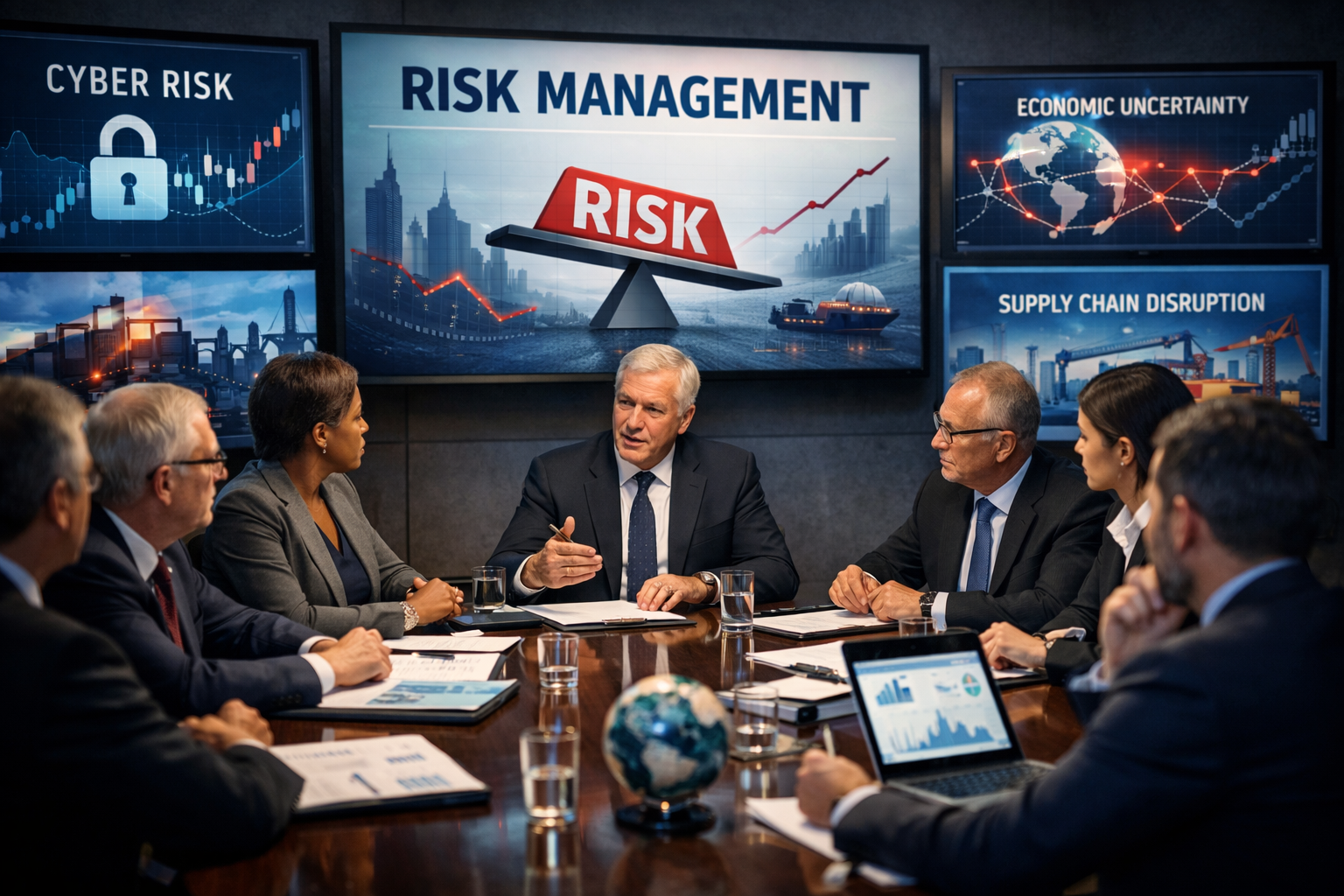

In the boardroom, not all voices carry the same weight. Some leaders speak—and people lean in. Others walk into a room—and command it. This is not charisma. It’s not charm. It’s something deeper, more strategic, and more sustainable: executive presence.
In today’s high-stakes leadership environment, executive presence is more than polish or posture. It’s the unspoken differentiator that elevates leaders from operational to transformational—often without a word.
What Is Executive Presence, Really?
Executive presence is the ability to project confidence, clarity, and credibility under pressure. It’s how leaders make others feel in their presence—and how they are remembered in their absence. According to a study by the Center for Talent Innovation, executive presence accounts for over 25% of what it takes to get promoted. Yet, most leaders can’t clearly define it, much less develop it intentionally.
Let’s be clear: executive presence is not about being the loudest person in the room. It’s about being the most grounded.
The Three Pillars of Executive Presence
Gravitas – This is the core of executive presence. Leaders with gravitas remain composed under fire, speak with conviction, and make decisions with both confidence and consideration. They’re not rushed by urgency—they guide it.
Communication – Executive-level communication is about clarity, not complexity. Great leaders speak in narratives, not just numbers. They read the room, adapt their message, and know when to listen more than they speak.
Appearance – This isn’t about fashion—it’s about alignment. Appearance means showing up in a way that signals credibility, respect, and self-awareness. Whether it’s a board meeting or investor pitch, executives don’t just dress for the role—they embody it.
Why It Matters Now More Than Ever
In an era of rapid change and remote decision-making, presence has gone digital. Leaders must now project gravitas through a screen, build trust across time zones, and command attention in virtual rooms. The executive who can lead with presence—whether in person or via video—is the one who instills calm, clarity, and direction.
Can Executive Presence Be Learned?
Absolutely. Executive presence is not an inherent trait—it’s a practiced discipline. It starts with self-awareness: how do you show up under stress? What impression do you leave when the meeting ends?
From there, it’s about intentional refinement:
Practice speaking up with clarity and brevity.
Get feedback from trusted peers or coaches.
Watch recordings of yourself in meetings—are you congruent, composed, and compelling?
The Boardsi Perspective: Presence Beyond the C-Suite
At Boardsi, we work with hundreds of executive leaders positioning themselves for board service. The standout candidates are not always those with the longest résumés—but those with the strongest presence. Why? Because boardrooms don’t need more operators. They need thought partners who can speak with clarity, challenge with respect, and influence without ego.
Executive presence is the gateway to those rooms—and the lever for impact once you’re there.
Final Thought
Executive presence isn’t about taking up space. It’s about creating it—for ideas to grow, for teams to thrive, and for leadership to resonate.
In the end, people won’t always remember what you said. But they will remember how you showed up.
#ExecutivePresence, #Leadership, #CLevel, #Boardroom, #ExecutiveLeadership, #ProfessionalDevelopment, #StrategicCommunication, #Boardsi, #CareerGrowth, #ExecutiveBrand