
“The best boards are not just well-informed—they are well-formed.”
In an era where disruption is the norm and public scrutiny can be a headline away, the quality of a company’s board is no longer a matter of prestige—it’s a matter of performance. And yet, while organizations invest millions in executive development, boardroom education remains an often-overlooked asset. That’s a strategic oversight.
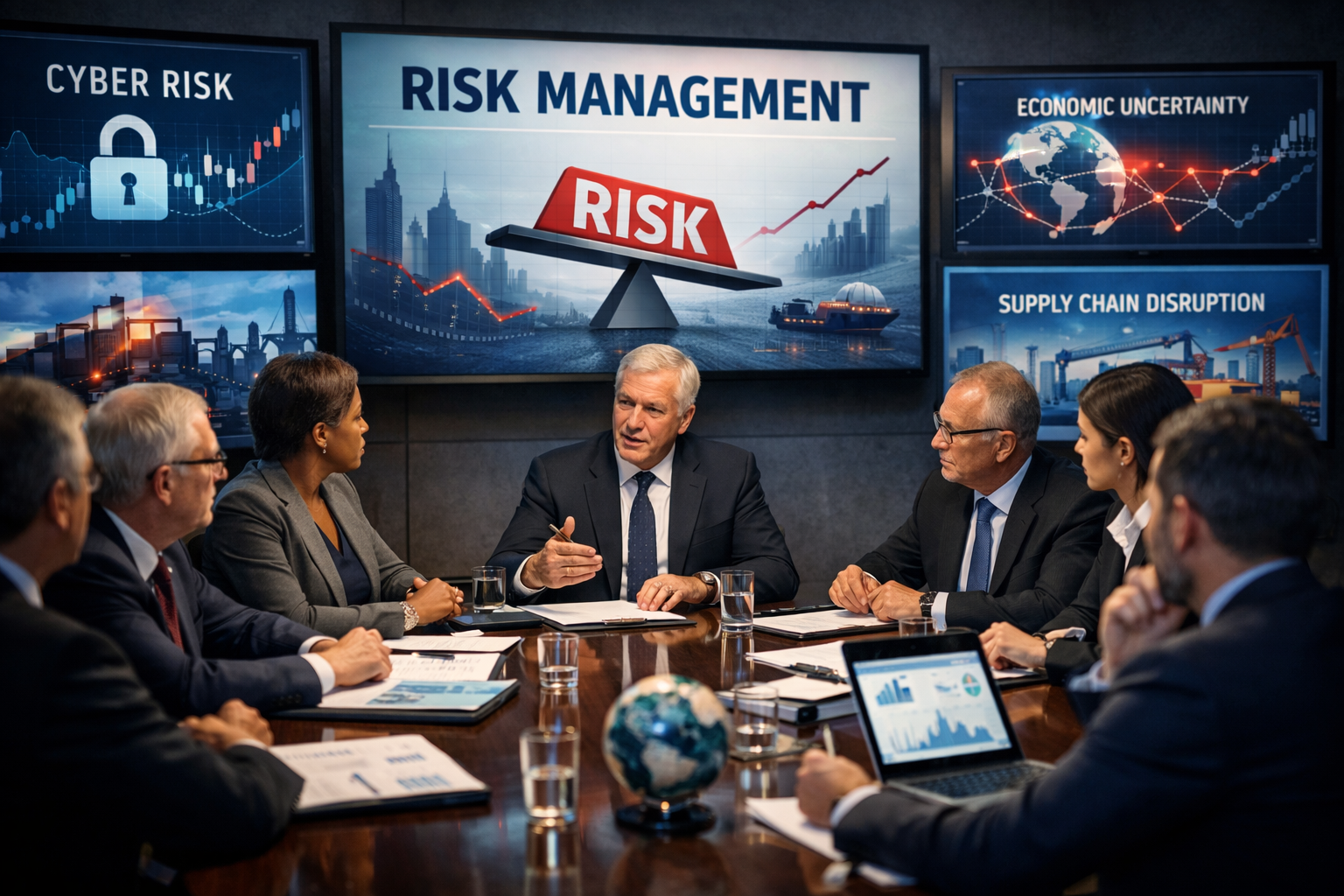
The boardroom has evolved from a ceremonial oversight body to a dynamic arena for strategic counsel, governance, and cultural stewardship. But the complexity of today’s business landscape—cyber risk, ESG accountability, geopolitical instability, digital transformation—demands that directors bring more than their résumés. It demands they bring current, contextual expertise. And that starts with education.
The Strategic Imperative for Ongoing Board Education
Most directors have earned their seat through decades of experience. But experience, while invaluable, can also breed blind spots. The pace of change in sectors like AI, cybersecurity, DEI, and sustainability has outpaced even the most seasoned leader’s toolkit. Today’s directors are expected to challenge assumptions, interpret global signals, and help navigate crises that didn’t exist a decade ago.
According to a PwC survey, 47% of board members believe at least one fellow director should be replaced—citing outdated skills or lack of contribution. The implication? Knowledge gaps at the top aren’t just uncomfortable—they’re consequential.
Ongoing education, therefore, is not a luxury. It’s a fiduciary duty.
Board Education: Beyond Briefings and Binders
The traditional model of board learning—pre-read decks, quarterly updates, legal briefings—is no longer sufficient. Modern board education must be:
Proactive: Anticipating emerging trends before they become governance risks.
Customized: Focused on the unique regulatory, operational, and strategic context of the business.
Interactive: Encouraging robust dialogue, not passive reception.
Continuous: Embedded into the cadence of board life, not relegated to onboarding or retreats.
Leading boards now engage in live simulations, geopolitical scenario planning, and cross-industry knowledge exchanges. They invite guest experts not just for insights, but for provocation. They allocate real time—not just “any other business” minutes—for development.
This is not a retreat from fiduciary rigor. It is a return to it.
Building a Culture of Learning at the Top
Boards set the tone for the entire organization. When directors demonstrate curiosity, humility, and growth mindset, that mindset cascades. Conversely, when the board is static, risk-averse, or opaque, those traits often echo in the culture below.
Progressive boards now assign a “learning lead”—a director responsible for curating educational priorities and bringing relevant issues to the forefront. Some have instituted quarterly “learning hours,” where directors deep-dive into topics ranging from blockchain to board diversity trends.
In private equity and venture circles, director education is often baked into board participation, recognizing that investor boards require as much developmental rigor as operational ones.
What CEOs Should Expect—and Insist On
CEOs and executive teams should not view board education as a threat, but as a force multiplier. An educated board is better equipped to ask strategic questions, understand nuanced trade-offs, and provide relevant challenge and support.
What should executives expect of their boards?
A shared vocabulary on strategic issues
A baseline understanding of technological and regulatory shifts
The courage to unlearn legacy assumptions
A commitment to continuous learning
Board education, when done well, creates alignment without uniformity—unity without groupthink.
The Bottom Line
The boardroom is not immune to disruption—it’s on the front line of it. And in a world that rewards speed, judgment, and ethical foresight, educated boards are not just good governance—they’re good business.
As Peter Drucker said, “The best way to predict the future is to create it.” For boards, that creation begins with learning.
#BoardLeadership, #CorporateGovernance, #BoardEducation, #ExecutiveLearning, #Strategy, #LeadershipDevelopment, #FutureOfWork, #BoardroomExcellence, #GovernanceMatters