In today’s rapidly evolving business landscape, the companies that thrive are those with resilient, strategic, and well-developed boards. While organizations often invest heavily in executive recruitment and leadership training, board development is frequently overlooked — yet it remains one of the most powerful levers for driving sustained success and stakeholder trust.
At Boardsi, we believe that board development is more than just filling seats. It’s an intentional, ongoing process that equips board members to lead with clarity, ask the right questions, and guide organizations through both predictable and unexpected challenges.
What Is Board Development?
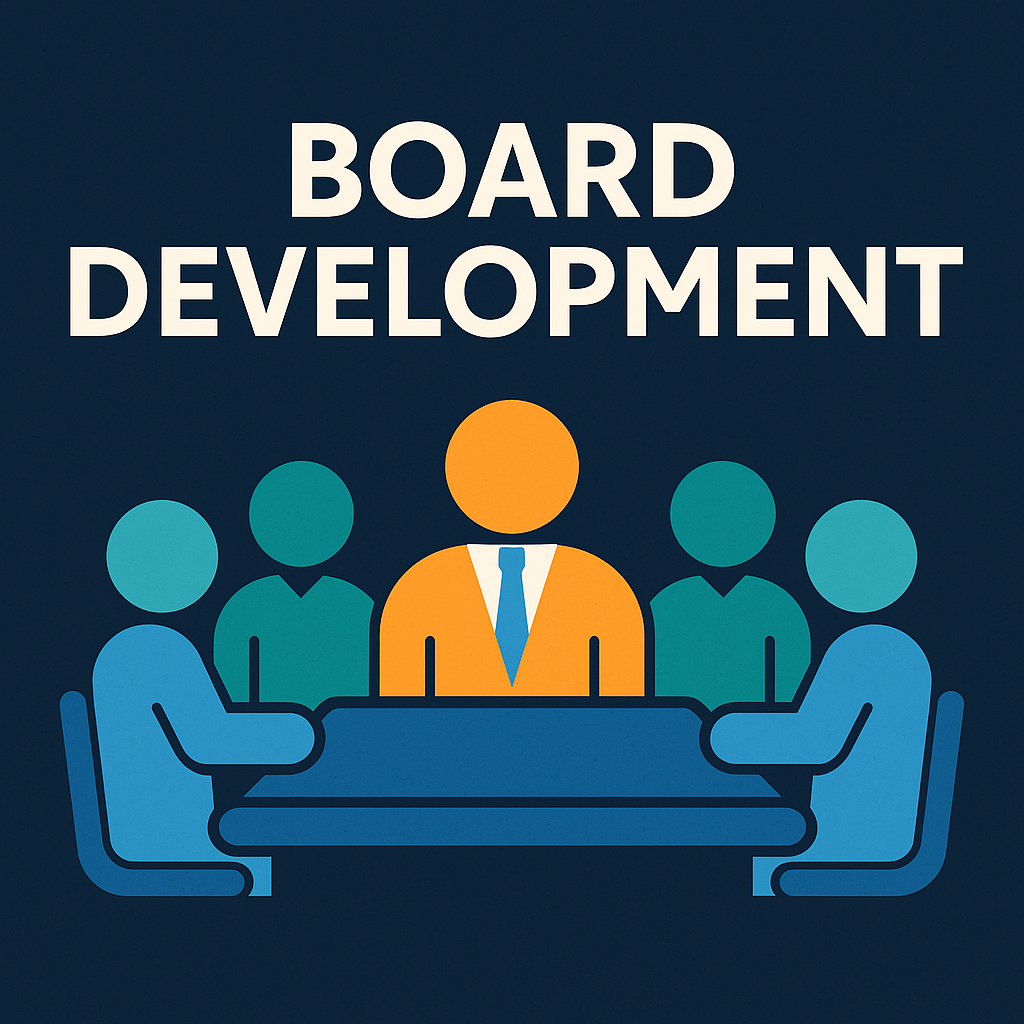
Board development refers to the continuous cultivation and strengthening of a board’s capacity to govern effectively. It involves recruiting diverse and qualified members, providing orientation and training, setting clear expectations, and evaluating performance regularly.
A robust board development program ensures that board members not only understand their legal and fiduciary responsibilities but are also prepared to offer strategic insights, challenge assumptions, and advocate for the organization’s mission in a changing market.
Why Board Development Matters
1. Strengthens Governance
A well-developed board understands governance frameworks and can balance oversight with support. Strong governance helps mitigate risks, ensures compliance, and aligns decisions with long-term goals.
2. Drives Strategic Growth
Board members should do more than approve budgets and policies. Through continuous board development, directors are empowered to think critically about market trends, innovation, and competitive positioning, directly contributing to sustainable growth.
3. Improves Accountability and Transparency
Regular board development fosters a culture of accountability. Trained board members know how to evaluate management’s performance, monitor financial health, and ensure transparent communication with stakeholders.
4. Attracts Top Talent
Companies with strong, active boards are more appealing to investors, partners, and high-caliber executives. A dynamic board development strategy signals that an organization values effective leadership at every level.
Best Practices for Board Development
Building a high-impact board doesn’t happen overnight. Here are some best practices for cultivating a resilient board culture:
✅ Prioritize Diversity and Inclusion
Bring varied perspectives to the table by actively recruiting members with different backgrounds, expertise, and lived experiences.
✅ Provide Ongoing Education
Board education shouldn’t stop after onboarding. Regular workshops, retreats, and access to industry trends keep directors sharp and prepared for new challenges.
✅ Facilitate Open Communication
Encourage healthy debate and candid dialogue during meetings. An open environment helps board members feel confident voicing concerns and sharing innovative ideas.
✅ Evaluate Performance
Regular self-assessments and peer reviews help boards identify gaps, adjust roles, and reinforce accountability.
✅ Engage with Experts
Partnering with trusted advisory services like Boardsi can streamline board development, connect you with vetted candidates, and offer strategic guidance tailored to your organization’s goals.
Boardsi: Your Partner in Board Development
At Boardsi, we understand that your board is the heart of your organization’s governance and future direction. Our expert team helps companies design and implement board development strategies that align with their mission, values, and growth plans.
Whether you’re building a new board from the ground up or revitalizing an existing one, Boardsi provides the network, insights, and support you need to attract, engage, and retain exceptional board talent.
Final Thoughts
In an era where stakeholder trust and agile leadership are more critical than ever, investing in board development is no longer optional — it’s essential. Organizations that cultivate strong boards position themselves to navigate uncertainty, seize new opportunities, and deliver long-term value.
Ready to take your board to the next level? Connect with Boardsi today and discover how our tailored board development solutions can help you build a leadership team that drives lasting success.
#BoardDevelopment, #CorporateGovernance, #BoardLeadership, #StrategicLeadership, #BoardRecruitment, #BoardTraining, #ExecutiveLeadership, #Boardsi, #LeadershipDevelopment