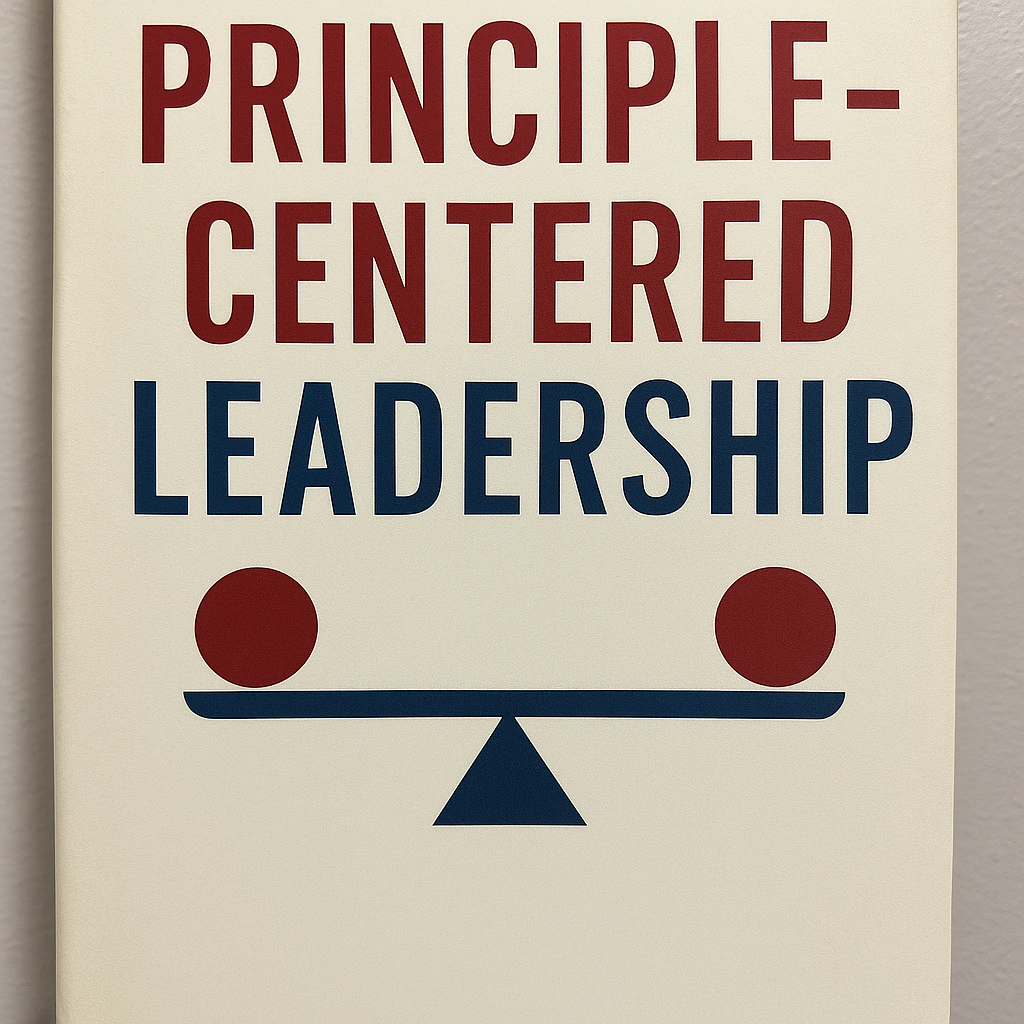
In today’s ever-evolving executive landscape, leadership models come and go. But one framework stands the test of time—principle-centered leadership. Coined and championed by Stephen R. Covey, this approach offers more than just a management style; it provides a foundation for long-term influence, integrity, and sustainable impact.
At Boardsi, where executive leadership meets opportunity, we believe principle-centered leadership is more than a philosophy—it’s a strategic advantage.
What Is Principle-Centered Leadership?
Principle-centered leadership is rooted in timeless, universal principles such as honesty, responsibility, fairness, and service. It differs from personality-driven leadership by anchoring influence in internal character rather than external charisma or short-term tactics.
Where other styles rely on situational effectiveness, principle-centered leaders focus on enduring truths that guide decision-making across changing markets and complex challenges.
The Four Cornerstones of Principle-Centered Leadership
Security: Grounded in internal values, not external validation. Leaders with security can navigate conflict, criticism, or crisis without compromising integrity.
Guidance: Clear direction derived from a consistent moral compass. These leaders make choices based on what’s right—not just what’s popular or profitable.
Wisdom: The capacity to see things clearly, prioritize effectively, and make decisions that benefit all stakeholders.
Power: Influence earned through trust and respect, not title or fear. It’s the power that inspires commitment rather than compliance.
Why Boards Want Principle-Centered Leaders
In boardrooms across industries, the demand for ethical, visionary leadership has never been higher. Executive searches now prioritize not just performance history, but alignment with core values and leadership principles.
Here’s why principle-centered leadership resonates with modern boards:
Trust-building: These leaders foster transparency and trust—key drivers of investor confidence and employee engagement.
Crisis navigation: In uncertain times, principle-centered leaders make grounded decisions, balancing strategy with empathy.
Cultural alignment: Their leadership style reinforces healthy, values-driven workplace cultures—crucial for attracting and retaining top talent.
How Principle-Centered Leadership Accelerates Executive Careers
For executives on Boardsi’s platform, embracing principle-centered leadership doesn’t just elevate your effectiveness—it differentiates your brand.
Top executives are being recruited not only for their track records but for how they lead:
Are you anchored in principle during moments of pressure?
Do you inspire trust across departments, demographics, and generations?
Can you align vision, execution, and values in one cohesive strategy?
If the answer is yes, you’re not just leading—you’re building legacy.
A New Era of Leadership
As fractional executives, board advisors, and C-suite professionals expand their influence across industries, the call is clear: The future belongs to those who lead with principle.
Principle-centered leadership is not about perfection. It’s about consistency. It’s about showing up aligned—whether you’re in the boardroom, on a quarterly earnings call, or navigating transformation.
At Boardsi, we connect values-driven leaders with organizations ready for next-level impact. Because when you lead from principle, you don’t just move the needle. You move people—and that’s how real change happens.
#PrincipleCenteredLeadership, #ExecutiveLeadership, #Boardsi, #LeadershipStrategy, #EthicalLeadership, #LeadershipDevelopment, #BoardroomExcellence, #ValuesDrivenLeadership, #LeadWithIntegrity