
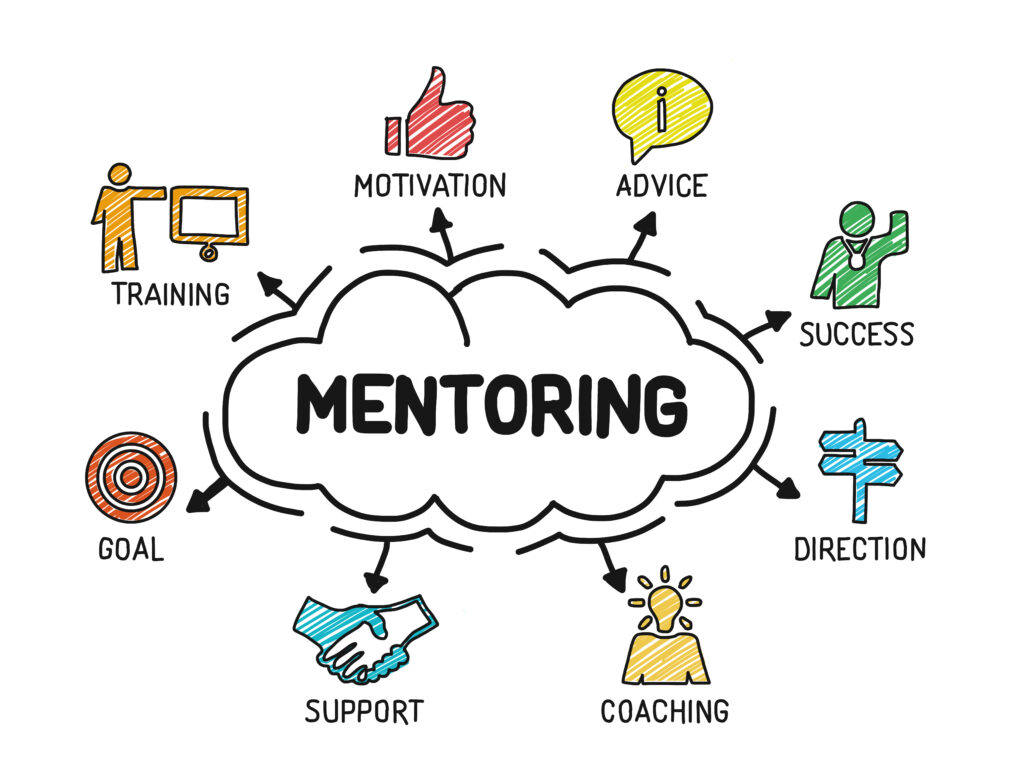
The mentor-mentee relationship offers significant benefits to both parties, fostering personal and professional growth through guidance and support. However, establishing a strong mentorship requires careful consideration and time investment. This article delves into the process of finding a mentor and cultivating a fruitful partnership.
Step 1: Define Your Mentorship Criteria
Initiating the search for a mentor begins with outlining your expectations. Consider the qualities and expertise you seek in a mentor—relevant experience, shared values, and effective communication skills. Clarifying these criteria enables proactive pursuit of a suitable mentor.
Step 2: Explore Potential Mentors
Prospective mentors can be found in various settings like networking events, online forums, and social media platforms. Conduct research to identify mentors aligning with your criteria and possessing relevant experience in your field. Platforms like LinkedIn offer useful search tools based on industry, job titles, and locations.
Step 3: Reach Out to Potential Mentors
After identifying potential mentors, initiate contact by introducing yourself and explaining why you seek their mentorship. Clearly articulate your needs and why you believe they can assist you in reaching your goals.
Step 4: Arrange an Initial Meeting
Organize an initial meeting with your prospective mentor to discuss your objectives and what they can offer through the mentorship. Use this opportunity to understand their mentoring philosophy and past experiences.
Step 5: Establish Expectations
Upon establishing the mentorship, define expectations and boundaries. Discuss the goals, preferred communication methods, and meeting frequency. Clarity regarding roles and responsibilities is crucial for both parties involved.
Step 6: Embrace Feedback and Learning
Mentorship is a reciprocal process. As a mentee, it’s essential to value and implement the advice offered by your mentor. Listen attentively, internalize their guidance, and strive to apply their suggestions.
Step 7: Foster a Lasting Connection
Mentorship extends beyond the formal relationship. Maintaining communication with your mentor post-mentorship allows for continued learning and leveraging their wisdom and experience.
Initiating a mentorship might seem daunting, but the effort is rewarding. The outlined steps assist in finding a suitable mentor, effectively communicating your objectives, and fostering a robust, mutually beneficial relationship. Remember, finding the right mentor is a journey towards lifelong development and learning.
Real-Life Example:
Sheryl Sandberg, Facebook’s COO, mentored Adam Grant, a Wharton professor and acclaimed author. Their relationship began when Grant was a Harvard PhD student, and Sandberg was a Google VP.
Recognizing Grant’s potential, Sandberg guided him, offering career advice, networking opportunities, and strategies for success in the tech industry. Sandberg’s mentorship propelled Grant to Google and later to a professorship at Wharton. The relationship was reciprocal, with Sandberg learning from Grant, eventually endorsing his best-selling book.
Fictional Example:
Michelle, an aspiring fashion professional, met Sarah, a successful designer, at a fashion event. Impressed by Sarah’s work, Michelle approached her for mentorship. Sarah, recognizing Michelle’s passion, provided insights, advice, and industry contacts.
Through Sarah’s guidance, Michelle secured an internship and eventually a full-time position in the fashion industry. Even after the formal mentorship, Michelle maintained contact with Sarah, continuing to seek her guidance.
Successful mentorship thrives on trust, respect, and shared growth. It demands commitment from both mentor and mentee but yields immense rewards.
Source – Leadafi


