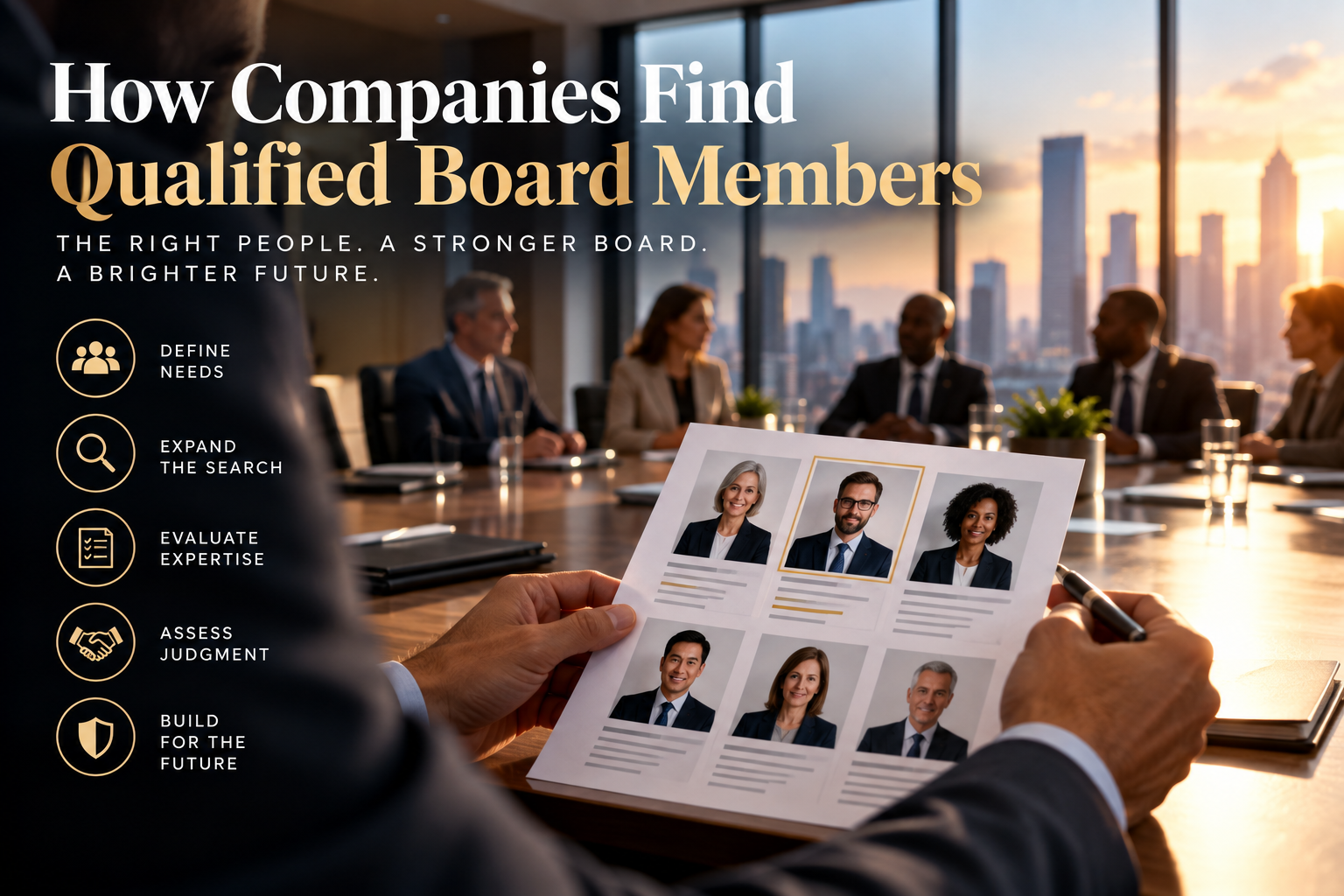
The allure of the boardroom beckons! Getting on a board offers a compelling opportunity to leverage your expertise, broaden your network, and make a significant impact on an organization. Boards play a pivotal role in shaping the strategic direction and long-term success of organizations, and board service allows you to contribute meaningfully to this vital process. This article equips you with the knowledge to navigate the different types of boards, understand the key considerations for getting on a board, and develop strategies to secure a board seat.
Understanding Board Types:
- Corporate Board: Oversees the strategic direction and financial performance of a for-profit company.
- Non-Profit Board: Provides governance and guidance to a non-profit organization, shaping its mission-driven work.
- Advisory Board: Offers strategic advice and expertise to an organization’s leadership team.
Considerations for Getting on a Board:
- Skills & Experience: Identify your strengths and refine your knowledge relevant to the type of board you’re targeting.
- Board Readiness: Develop your understanding of board governance and effective board practices.
- Network & Connections: Build relationships with individuals on boards and organizations seeking board members.
- Board Matching Platforms: BoardsI connects qualified candidates with organizations seeking board members.
Strategies for Securing a Board Seat:
- Target the Right Boards: Research organizations whose missions and values align with your interests and expertise.
- Craft a Compelling Board Bio: Showcase your skills and demonstrate the value you bring to the board table.
- Network & Make Introductions: Connect with board members and decision-makers in your target organizations.
- Express Your Interest: Proactively reach out to organizations seeking board members and express your qualifications.
- Prepare for Board Interviews: Anticipate common interview questions and articulate your value proposition.
Boardsi: Your Partner in Board Service Success
Boardsi offers a comprehensive suite of resources to empower you on your board service journey:
- Board Matching Platform: Connect with organizations seeking qualified candidates for their boards.
- Board Development Resources: Access a library of articles and guides on effective board practices and governance.
- Board Candidate Resources: Refine your board readiness with webinars, workshops, and sample board bios.
- Networking & Community: Connect with a network of experienced board members and governance professionals.
#getonaboard #boardplacement #boardcandidate #Boardsi #boardmembership #boardgovernance #boardrecruitment #nonprofitboard