
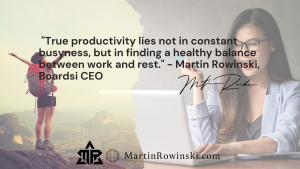
In our modern, hyper-connected world, the lines between work and personal life continue to blur, making it increasingly challenging to disconnect and recharge. The pervasive nature of smartphones and constant connectivity often leaves us feeling tethered to our professional obligations, making it vital to find ways to unplug without guilt. Striking a balance between work and personal well-being is essential for overall health and productivity. Here are seven effective strategies to detach from work and fully savor your time off.
- Setting Clear Boundaries:
Establishing firm boundaries between work and personal life is critical. Clearly define your work hours and communicate them to colleagues and superiors. Turning off notifications and refraining from checking emails outside these specified hours empowers you to regain control of your personal time and alleviate work-related guilt.
- Mindful Transition Rituals:
Craft a mindful transition ritual that aids in mentally and emotionally detaching from work. Whether it’s a short walk, meditation, or listening to soothing music, engaging in these rituals signals your mind to shift focus away from work-related stressors, enabling a smoother transition into relaxation mode.
- Engaging in Non-Work Activities:
Nurturing hobbies and interests outside of work is key to disconnecting from work-related thoughts. Participating in activities that bring joy, whether creative pursuits, sports, or quality time with loved ones, provides a necessary break and revitalizes your energy.
- Delegation and Collaboration:
Learning to delegate tasks and trust in your team’s capabilities is pivotal. Sharing responsibilities fosters trust within the team, lightens individual workloads, and allows you to disconnect without the burden of unfinished tasks. Remember, teamwork enhances productivity.
- Prioritizing Self-Care:
Investing time in self-care activities is paramount for guilt-free disconnection. Prioritize adequate sleep, a balanced diet, and regular exercise. Incorporating relaxation techniques such as yoga or mindfulness meditation rejuvenates and enhances focus when returning to work.
- Implementing Digital Detox Periods:
Periodically disconnect from digital devices to escape constant work-related notifications. Allocate specific periods to unplug completely and engage in offline activities like reading or spending time in nature. Embracing a digital detox fosters mental clarity and reduces the overwhelming presence of work in your life.
- Cultivating a Supportive Work Environment:
Promote a work culture that values work-life balance and respects personal boundaries. Advocate for flexible work arrangements and encourage discussions on the importance of disconnecting from work. Being part of an organization that prioritizes employee well-being empowers guilt-free disconnection, emphasizing the value of mental and emotional health.
Achieving a harmonious work-life balance demands conscious effort and a commitment to disconnecting without guilt. Remember, productivity isn’t solely measured by hours worked but by the quality of work and individual well-being. By integrating these strategies, you can unplug, recharge, and relish life outside of work fully. As Martin Rowinski aptly stated, “True productivity lies not in constant busyness but in finding a healthy balance between work and rest.” So, embrace rest, prioritize self-care, and reclaim your personal time—it’s a fulfilling journey worth embarking on.