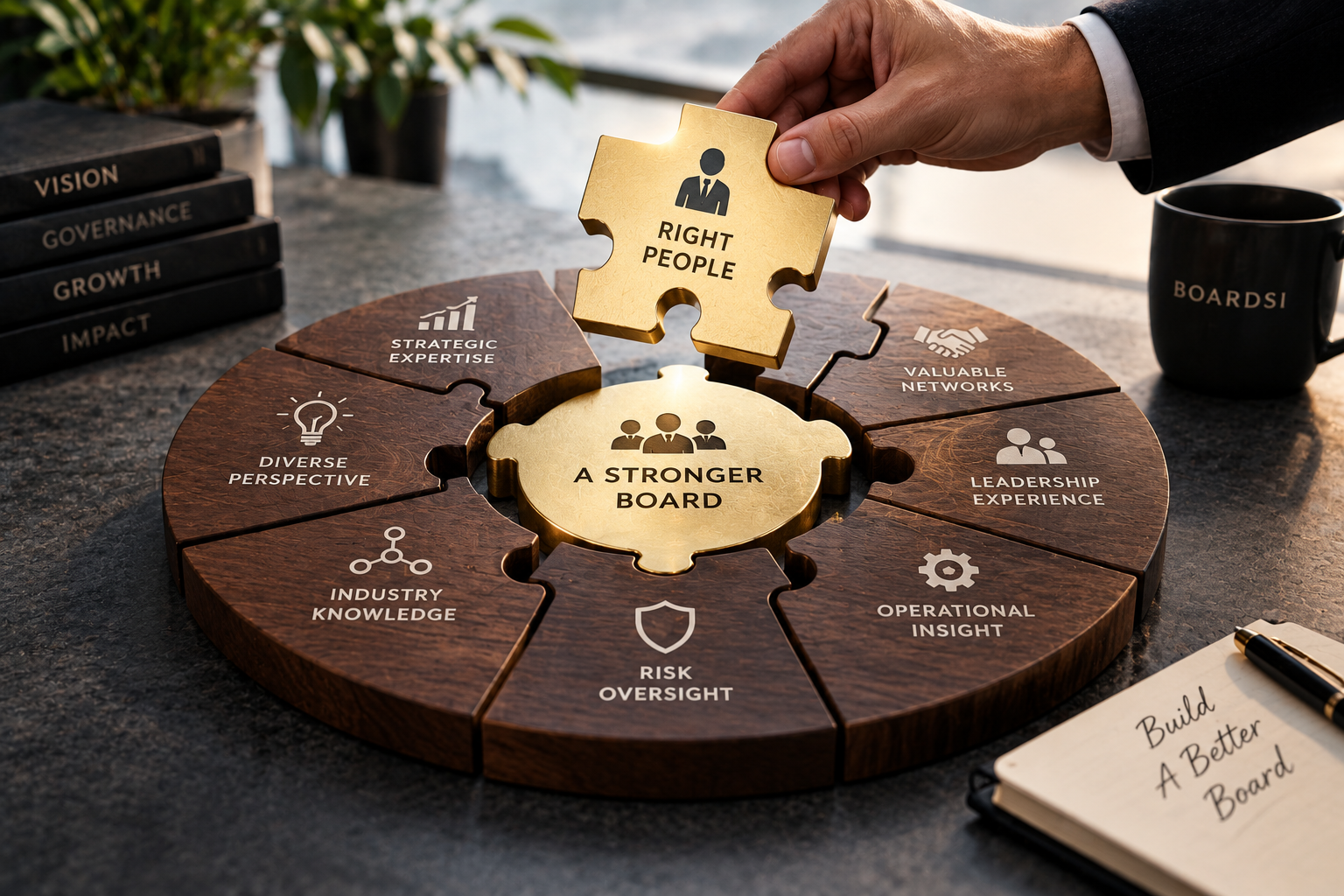
In today’s fast-evolving corporate landscape, the stability and continuity of leadership are more critical than ever. For companies aiming to thrive amid shifts in market dynamics and leadership roles, developing a robust succession plan for your board of directors is essential. Here, we explore actionable strategies to ensure your board remains effective and responsive over time, underlining Boardsi’s commitment to innovative, sustainable board recruitment solutions.
Understanding the Importance of Board Succession Planning
Succession planning is not merely a risk management tool but a strategic process that ensures the long-term health and effectiveness of your board. It involves identifying and developing new leaders who can replace old leaders when they leave, retire, or are unable to serve. Effective succession planning is vital to maintain continuity and to drive sustained corporate governance excellence.
Steps to Develop a Sustainable Board Succession Plan
1. **Assess Current and Future Needs**
Begin by evaluating the current board composition. What skills, experiences, and knowledge are present, and what will be needed in the future? This assessment should align with the company’s long-term strategic goals.
2. **Identify Potential Candidates**
Proactively identify and groom potential successors from within your organization or through professional networks like Boardsi. Diversity in thought, experience, and background is crucial.
3. **Implement Development Programs**
Invest in training and development programs to prepare potential board members. This might include leadership training, board governance workshops, and participation in board meetings as non-voting attendees to gain experience.
4. **Establish a Formal Review Process**
Regularly review and update your succession plan. This should be a dynamic process that considers changing strategic objectives and external market conditions.
5. **Communicate Transparently with Stakeholders**
Keep stakeholders informed about the succession planning process. This transparency builds trust and ensures all parties are aligned with the company’s vision and governance practices.
Leveraging Technology in Succession Planning
Boardsi’s technological prowess can significantly streamline the identification and grooming of board candidate pools. Leveraging AI and data analytics helps predict leadership needs and identify skills gaps, making the succession planning process more efficient and effective.
The Role of Continuous Evaluation
Continuously track the effectiveness of your board members and the succession plan itself. This includes regular assessments of board performance and the strategic alignment of the succession plan with the company’s objectives.
Building a sustainable succession plan requires foresight, strategy, and, importantly, the right partnerships and tools. Boardsi stands at the forefront of connecting companies with the leaders of tomorrow, ensuring that your board never loses its competitive edge. By following these steps, your organization can cultivate a leadership pipeline that supports growth and adapacity over time. Embrace these practices to safeguard your company’s future and leadership legacy.
By integrating these insights and strategies into your governance model, you position your board to drive corporate success far into the future.
CorporateGovernance,Leadership,SuccessionPlanning,BoardDiversity,ExecutiveDevelopment,StrategicPlanning,Boardsi