
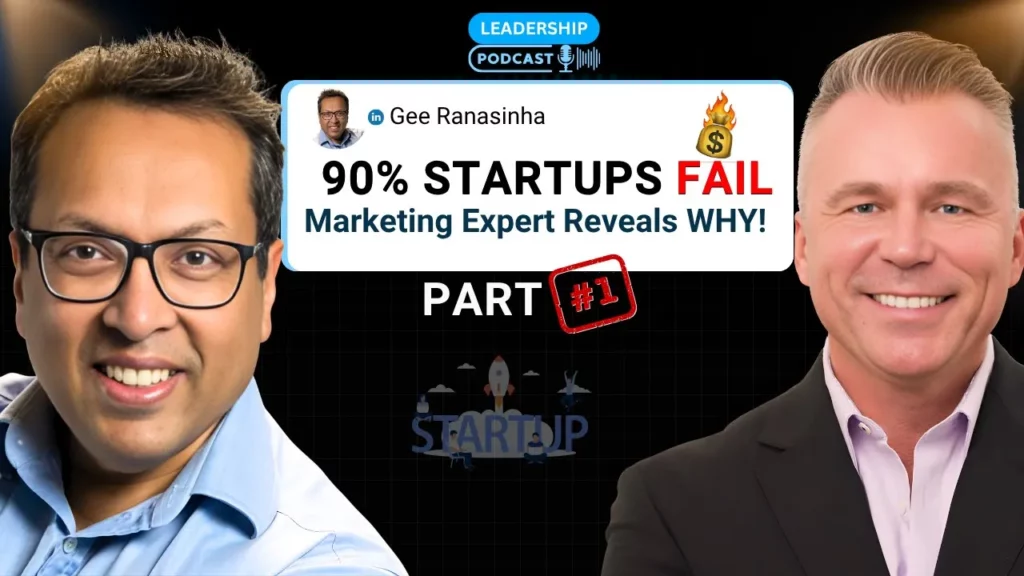
Host: Martin Rowinski, CEO of Boardsi
Guest:
Gee Ranasinha, CEO of Kexino
Boardsi Leadership Talks: Gee Ranasinha on the Marketing Mistakes Killing Small Businesses (Part 1)
In this insightful episode of Boardsi Leadership Talks, host Martin Rowinski engages with Gee Ranasinha, CEO of Kexino, to dissect the prevalent marketing missteps that hinder small business growth. With a rich background in behavioral marketing and a passion for educating entrepreneurs, Gee offers a fresh perspective on why many marketing strategies fail and how to rectify them.
Key Takeaways:
Copywriting Over Design: Discover why compelling copy is more crucial than aesthetic design in converting customers.
Misallocated Budgets: Learn how startups often squander resources on ineffective marketing tactics.
Emotional Triggers in Buying Decisions: Understand the psychological factors influencing both B2B and B2C purchasing behaviors.
Data-Driven Marketing Misconceptions: Uncover the common misunderstandings surrounding data-centric marketing approaches.
Notable Quotes:
“Customers don’t buy the best product—they buy the least risky one.”
“Marketing hasn’t evolved; human psychology hasn’t changed in 5,000 years!”
Episode Chapters:
00:00 – Introduction
02:16 – Gee Ranasinha’s Background
04:04 – The Boss Who Changed Everything
07:11 – Biggest Marketing Mistakes (Self-Diagnosis Trap)
12:20 – Why Startups Fail (Cash Flow Crisis)
19:54 – Behavioral Science in Sales Funnels
25:54 – What NEVER Changes in Marketing
32:13 – Outro
Tune in to this episode to gain actionable insights that can transform your marketing strategy and drive business growth.