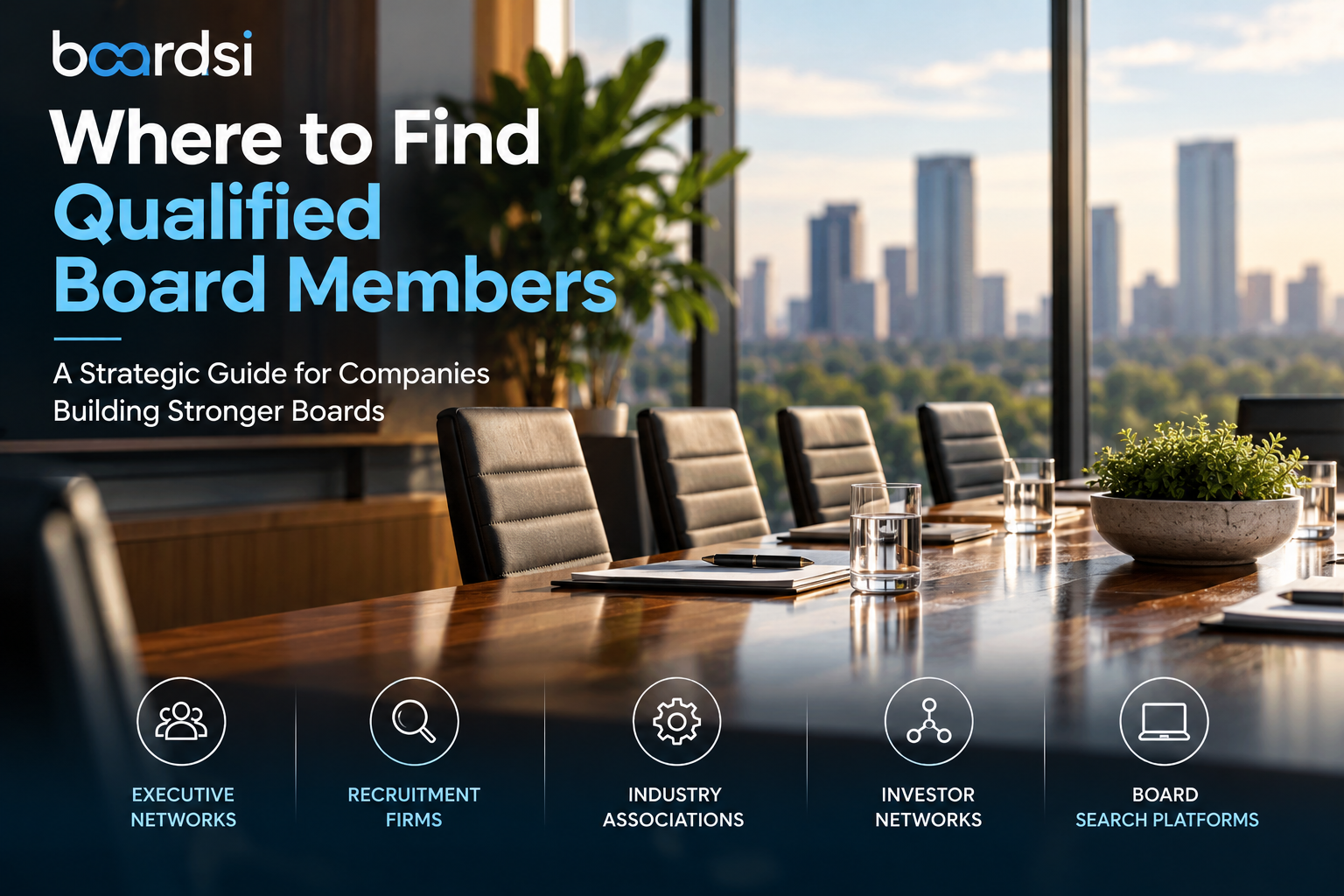
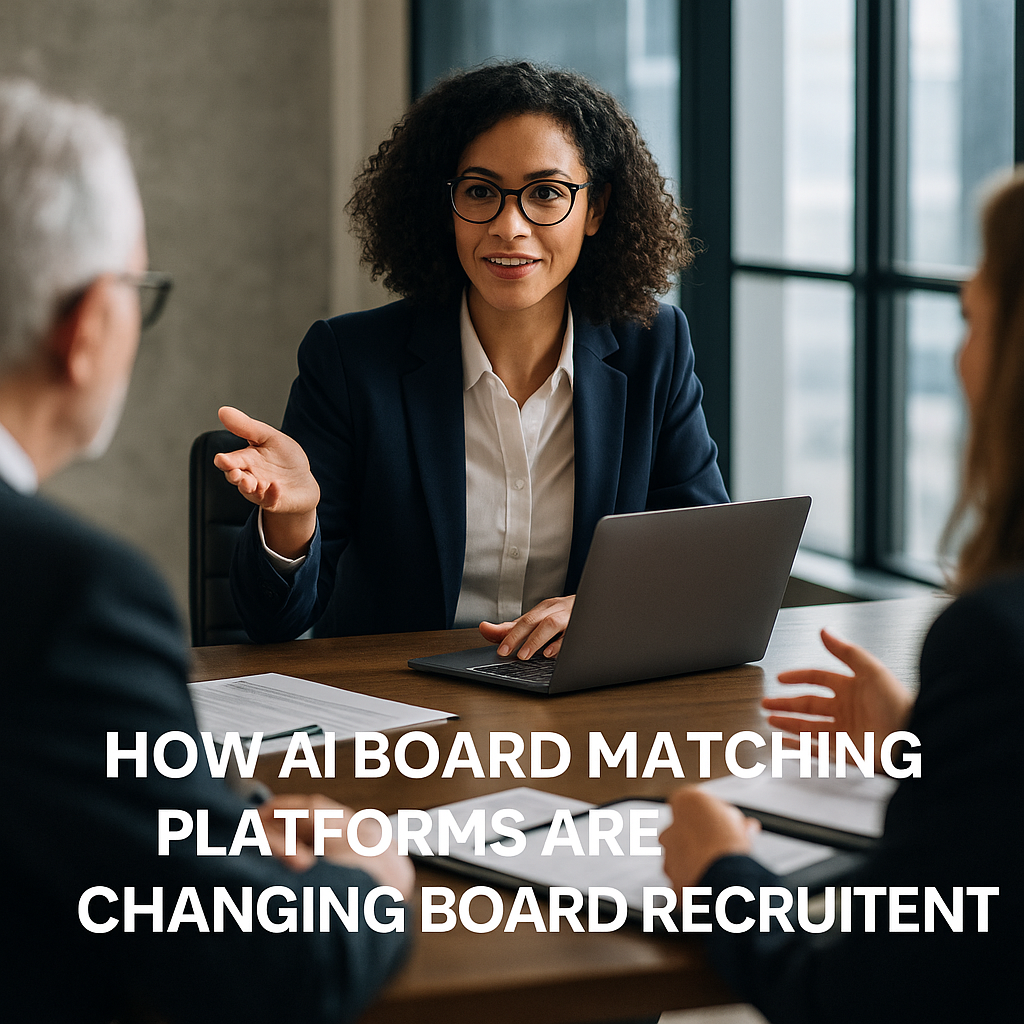
In a world where board diversity, digital acumen, and industry-specific knowledge are no longer luxuries but requirements, the search for qualified board members is facing a serious innovation gap. Traditional methods — reliant on insider networks and personal referrals — can no longer keep up with the speed and complexity of modern corporate governance. Enter the AI board matching platform: a technological leap that’s democratizing access to boardroom seats and transforming how companies build advisory talent.
The Problem with the Old Way
Historically, board recruitment has operated in a closed loop. Nominations come from within, selections are made from familiar circles, and the result is often homogeneity over innovation. This process not only limits fresh perspectives but also excludes high-caliber leaders who lack proximity to boardroom power brokers.
Meanwhile, the expectations placed on boards have grown exponentially. From navigating ESG mandates and cybersecurity risks to steering companies through digital transformation and geopolitical uncertainty, today’s board members must be more than figureheads — they must be agile, informed, and proactive.
AI as the New Connector
At the heart of the AI board matching revolution is a simple premise: let data lead. By leveraging machine learning and big data analytics, these platforms analyze the skills, experiences, and leadership styles of executives and match them to the evolving needs of companies. It’s not just a keyword search — it’s about contextual fit, predictive potential, and strategic alignment.
These platforms offer mutual transparency: executives showcase their expertise and aspirations, while companies articulate their boardroom gaps and governance goals. The result is faster, smarter, and more inclusive board placements — at scale.
Why It Works
Merit-Based Discovery: AI eliminates bias by evaluating qualifications against criteria, not connections.
Speed and Scale: What once took months of headhunting can now happen in weeks, with a wider candidate pool.
Strategic Fit: Algorithms assess more than titles — they identify who brings the right mix of perspective, experience, and values.
Visibility for Executives: Talented leaders from underrepresented groups gain a legitimate pathway to board opportunities they might never access through legacy channels.
Real-World Impact
Early adopters of AI board matching platforms are seeing powerful results. Startups are assembling credible advisory boards in weeks. Mid-size firms are diversifying their boards with specialists in AI, cybersecurity, and sustainability. Even Fortune 500 companies are using these tools to identify emerging leaders beyond the usual suspects.
One leading platform reports that over 40% of successful matches in 2024 came from industries outside of a company’s traditional hiring orbit — a testament to the breadth and quality AI can unlock.
What’s Next?
As the boardroom becomes more performance-driven, expect AI to play an even greater role in evaluating board effectiveness, suggesting refreshment cycles, and identifying emerging risks. In short, the boardroom of tomorrow will be built not just by who you know, but by what you bring — and how intelligently that value is matched.
AI won’t replace human judgment in board selection, but it will sharpen it. And in a time when the cost of misalignment is higher than ever, smarter board recruitment isn’t just an advantage — it’s a necessity.
#AI, #BoardroomStrategy, #CorporateGovernance, #Leadership, #ExecutiveSearch, #BoardRecruitment, #Innovation, #DigitalTransformation, #FutureOfWork, #Boardsi