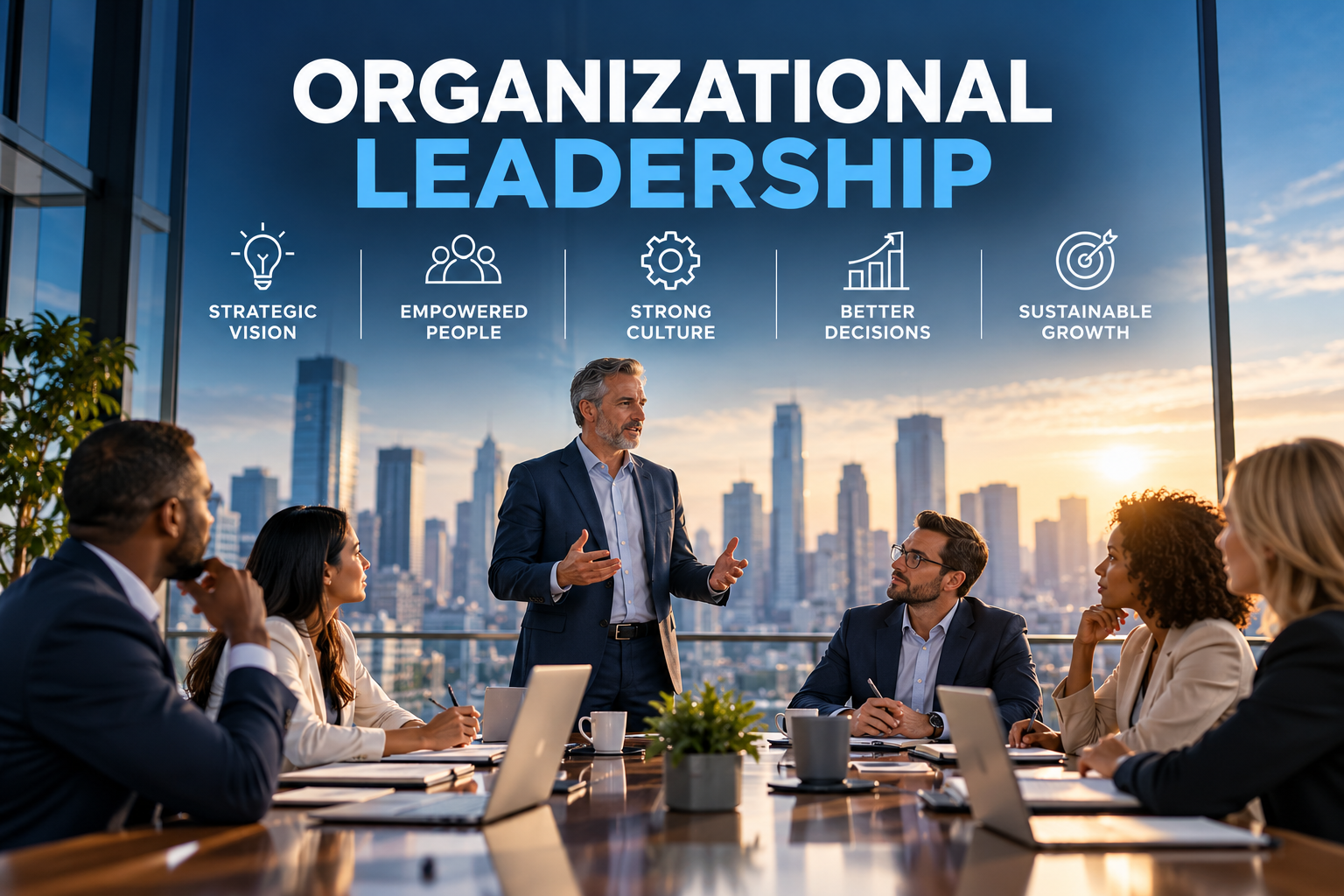

Private companies are rethinking the role of their boards of directors. For executives, investors, and business owners, this shift is creating new opportunities to influence growth, strengthen governance, and shape the future of business.
For decades, boardroom leadership has been closely associated with publicly traded corporations. The image is familiar: seasoned executives overseeing billion-dollar enterprises, navigating shareholder expectations, and making decisions under the scrutiny of financial markets.
But some of the most consequential boardroom decisions are happening far from Wall Street.
They are taking place inside privately held companies, where founders are preparing for expansion, family-owned businesses are navigating generational transitions, and investors are looking for stronger oversight of increasingly complex organizations.
These businesses may not attract the same public attention as their listed counterparts, but their leadership challenges can be equally demanding.
As private companies grow in size, sophistication, and economic influence, their boards are becoming more than traditional governance bodies. They are emerging as strategic assets capable of accelerating growth, managing risk, and helping leadership teams make better decisions.
For experienced executives seeking meaningful board opportunities, understanding this evolving landscape is becoming increasingly important.
Why Private Company Boards Are Gaining Importance
Private companies operate in an environment that offers considerable flexibility. Without the same public reporting obligations and quarterly earnings pressures faced by listed corporations, they can often pursue longer-term strategies.
Yet that flexibility comes with responsibility.
As a private business expands, its leadership team must confront challenges that may exceed the experience of its founders or existing executives. Capital allocation becomes more complicated. Competitive threats intensify. Talent requirements evolve. Regulatory obligations increase. Succession planning becomes essential.
At a certain stage, the qualities that helped build a successful company are not necessarily sufficient to guide its next chapter.
This is where an effective private board can make a meaningful difference.
A well-structured board brings perspectives that extend beyond daily operations. It challenges assumptions, identifies emerging risks, and helps management evaluate opportunities with greater objectivity.
Most importantly, it provides something that even highly accomplished business leaders need: independent judgment.
The strongest private boards do not exist simply to approve decisions already made. They help leadership teams make better decisions before those decisions become irreversible.
The Shift From Ownership Oversight To Strategic Partnership
Historically, many private company boards were composed primarily of founders, family members, major shareholders, and trusted advisers.
That structure can provide continuity and preserve the organization’s original vision. However, it may also limit the diversity of experience available when the business encounters unfamiliar challenges.
Increasingly, sophisticated private companies recognize the value of incorporating independent directors with specialized expertise.
Consider a manufacturing company preparing to expand internationally. Its leadership may understand domestic operations exceptionally well but lack experience navigating global supply chains, international regulations, or cross-border acquisitions.
An independent director with relevant experience can help management anticipate challenges that might otherwise emerge only after significant resources have been committed.
The same principle applies to technology companies preparing for rapid expansion, family enterprises considering succession, and private equity-backed businesses pursuing operational transformation.
In each situation, the board’s value is not measured by how frequently directors agree with management.
It is measured by the quality of the questions they ask, the perspectives they contribute, and the decisions they help improve.
A private board becomes truly valuable when it moves beyond oversight and becomes a disciplined source of strategic insight.
Five Areas Where Private Boards Create Exceptional Value
1. Guiding Sustainable Growth
Growth creates opportunity, but it also introduces complexity.
A company expanding into new markets may need to reconsider its operating model, financial structure, leadership capabilities, and competitive positioning.
Experienced board members help management distinguish between opportunities that support long-term value creation and those that merely increase short-term activity.
They can also provide perspective on acquisitions, partnerships, geographic expansion, and investment priorities.
The objective is not growth at any cost. It is growth that the organization has the leadership, infrastructure, and financial capacity to sustain.
2. Strengthening Governance And Accountability
Private ownership does not eliminate the need for disciplined governance.
In fact, concentrated ownership can make independent oversight especially valuable.
When a founder or small ownership group exercises significant influence, a strong board can introduce constructive accountability without undermining entrepreneurial agility.
Effective governance establishes clear decision-making responsibilities, transparent reporting expectations, and appropriate oversight of financial and operational risks.
It also helps distinguish the responsibilities of owners, directors, and executives.
These distinctions become particularly important as organizations expand beyond their original leadership structures.
3. Preparing For Leadership Succession
Few challenges carry greater long-term consequences for a private business than leadership succession.
This is especially true for founder-led and family-owned enterprises, where personal relationships, ownership interests, and organizational identity are often closely connected.
A capable board can help establish a succession process based on leadership readiness, business continuity, and strategic requirements.
That may involve developing internal successors, evaluating external candidates, or helping founders transition into different governance roles.
The most successful transitions rarely begin when a leader announces a departure.
They begin years earlier, when the organization deliberately develops the people and structures required for its next stage.
4. Managing Risk In An Uncertain Environment
Private companies face many of the same threats as public corporations, including cybersecurity incidents, regulatory changes, economic volatility, operational disruptions, and reputational damage.
Yet some lack the governance infrastructure needed to identify and manage these risks systematically.
Board members with backgrounds in finance, technology, cybersecurity, compliance, or crisis management can help close those gaps.
Their contribution is particularly valuable when management teams are focused heavily on immediate commercial priorities.
Strong boards encourage leaders to consider not only what could drive the business forward, but also what could threaten its future.
5. Expanding Access To Expertise And Relationships
Experienced directors bring more than technical knowledge.
They often contribute an understanding of industries, markets, capital structures, and leadership networks that would otherwise take years for a company to develop internally.
These relationships may create introductions to potential partners, investors, customers, or specialized advisers.
However, access alone is not the board’s purpose. Directors must exercise judgment, manage conflicts of interest, and act in accordance with their responsibilities to the organization.
The greatest value comes when relationships are combined with relevant expertise and sound governance.
What Makes An Effective Private Board Director?
Serving on a private company board requires a different mindset from leading an executive team.
Senior executives are accustomed to directing resources, establishing priorities, and holding teams accountable for execution.
Board directors influence outcomes differently.
They must understand the business deeply enough to provide meaningful guidance while maintaining appropriate distance from daily management.
This balance requires judgment, discipline, and emotional intelligence.
Effective private board directors typically demonstrate several qualities:
Strategic perspective. They connect immediate business decisions to long-term organizational consequences.
Financial fluency. They understand how capital allocation, liquidity, profitability, and financial risk affect enterprise value.
Independent thinking. They are willing to challenge assumptions respectfully, even when their perspective differs from that of a founder or major shareholder.
Industry or functional expertise. They bring knowledge that addresses a specific business need rather than simply adding another impressive résumé to the boardroom.
Collaborative leadership. They recognize that influence in the boardroom depends on credibility, trust, and constructive dialogue.
Perhaps most importantly, effective directors understand that board service is not an extension of executive authority.
It is a responsibility to exercise independent judgment in the interests of the organization.
Why Private Boards Represent An Opportunity For Executives
For executives interested in board service, privately held companies can offer a compelling entry point.
Public company board opportunities are often highly competitive, with formal nomination processes and substantial expectations regarding previous board experience.
Private companies may take a more flexible approach to identifying directors, particularly when they need specific expertise to address a business challenge.
A growing technology company might seek an executive experienced in scaling operations. A family-owned business may need expertise in succession planning. A private equity-backed organization could benefit from a director who understands operational efficiency, acquisitions, or financial transformation.
These needs create opportunities for executives whose professional experience aligns with the company’s strategic priorities.
However, securing a private board seat requires more than expressing interest.
Candidates must articulate the value they can contribute.
Instead of relying exclusively on titles or career accomplishments, aspiring directors should be prepared to explain how their experience can help a particular organization navigate growth, manage risk, strengthen governance, or prepare for change.
The most compelling board candidates do not simply describe where they have worked.
They demonstrate how their judgment can improve the decisions a company will make next.
How Executives Can Position Themselves For Private Board Opportunities
Executives seeking private board appointments should approach the process as a deliberate leadership strategy.
First, identify the industries, business models, and organizational stages where your experience is most relevant. A focused value proposition is generally more persuasive than a broad declaration of interest in board service.
Second, build relationships within the private company ecosystem. Founders, investors, private equity professionals, business owners, attorneys, and executive advisers can all play important roles in identifying potential board candidates.
Third, develop a board-focused professional profile. A traditional executive résumé emphasizes operational accomplishments, while a board biography should highlight strategic judgment, governance readiness, financial understanding, and relevant areas of expertise.
Fourth, consider advisory board opportunities when appropriate. Advisory roles can provide exposure to founder relationships and strategic discussions, although they differ from formal director positions in authority and legal responsibility.
Finally, demonstrate expertise consistently. Speaking at industry events, publishing thoughtful perspectives, and participating in relevant professional communities can strengthen visibility and credibility.
Many private board opportunities emerge through trusted relationships rather than widely advertised searches.
That makes professional positioning and relationship development essential components of a successful board strategy.
The Critical Difference Between Advisory Boards And Fiduciary Boards
One distinction deserves particular attention.
Not every private company board has the same authority or responsibilities.
A formal board of directors generally carries governance responsibilities and fiduciary duties under applicable law. Its members may oversee management, approve significant corporate actions, and participate in decisions affecting the company’s long-term direction.
An advisory board, by contrast, typically provides nonbinding recommendations without the formal authority of a board of directors.
Both structures can create meaningful value, but they serve different purposes.
Executives considering a position should understand the organization’s governance structure, their expected responsibilities, potential conflicts of interest, compensation arrangements, indemnification provisions, and available directors and officers liability insurance.
A board title alone does not define the role.
The substance of the responsibility matters far more.
The Future Of Private Board Leadership
The next generation of successful private companies will need more than ambitious founders and capable management teams.
They will need governance structures that evolve alongside the business.
Artificial intelligence, digital transformation, cybersecurity, changing capital markets, and increasingly complex stakeholder expectations are expanding the range of issues that private boards must understand.
At the same time, business owners and investors are placing greater emphasis on resilience, leadership continuity, and sustainable enterprise value.
These developments are likely to increase demand for directors who combine executive experience with specialized knowledge and sound judgment.
They also reinforce a fundamental principle: board effectiveness depends less on the prominence of its members than on the relevance of their contributions.
A board filled with accomplished individuals is not automatically an effective board.
Effectiveness emerges when directors bring complementary expertise, engage in constructive debate, understand their responsibilities, and remain focused on the organization’s long-term success.
Final Thoughts: The Most Valuable Seat Is One Where You Make A Difference
Private company boards are becoming an increasingly important part of the leadership landscape.
For business owners, the right board can provide the perspective, accountability, and expertise required to navigate complex decisions.
For executives, private board service offers an opportunity to apply years of experience in a new capacity, influencing organizations without managing their daily operations.
But the real significance of private boards extends beyond career advancement or corporate structure.
It reflects a broader understanding of leadership.
As organizations grow, no single leader can possess every answer, anticipate every risk, or recognize every opportunity.
The willingness to invite independent perspectives is not a sign of weakness. It is a mark of organizational maturity.
The future of private company governance will belong to boards that do more than occupy seats. It will belong to directors who bring the courage to ask difficult questions, the wisdom to recognize emerging opportunities, and the judgment to help businesses build lasting value.
Because ultimately, the measure of a great board is not who sits around the table.
It is what becomes possible because they are there.
#PrivateBoards, #PrivateCompanyBoards, #BoardOfDirectors, #BoardOpportunities, #CorporateGovernance, #ExecutiveLeadership, #BoardLeadership, #IndependentDirectors, #BoardRecruitment, #StrategicLeadership, #BusinessGrowth, #PrivateEquity, #BoardroomLeadership, #LeadershipDevelopment, #BoardService