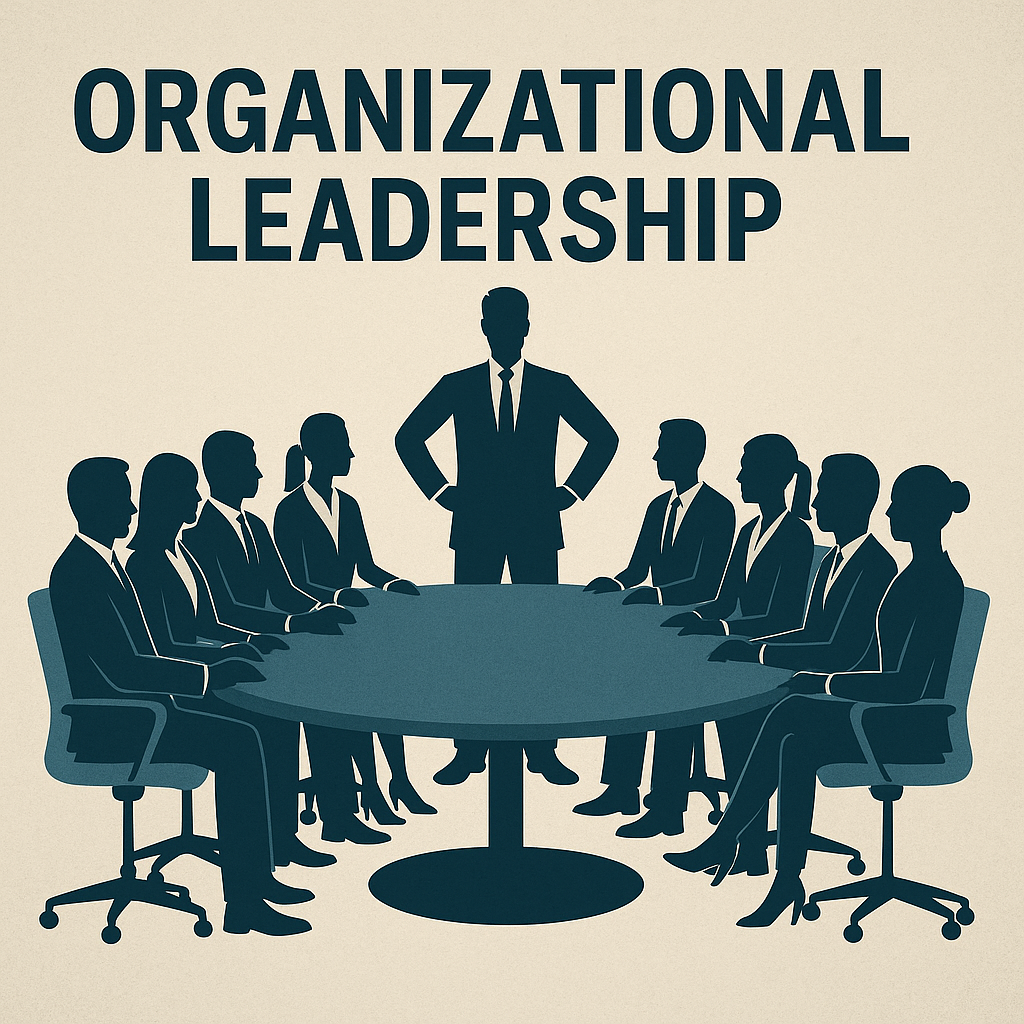
In an era defined by digital acceleration, social upheaval, and economic unpredictability, the most effective organizational leaders are not those who dictate from the top but those who shape from within. The role of leadership is evolving. Today, it is less about command-and-control and more about cultivating culture, coherence, and capacity.
The Shift from Hierarchy to Humanity
For decades, leadership was synonymous with hierarchy. Leaders were expected to be the most informed, decisive, and authoritative voices in the room. But in today’s knowledge-driven economy, information is decentralized, decisions are distributed, and influence is earned more often than it is assigned.
Organizational leadership now demands emotional intelligence as much as operational expertise. Leaders must be listeners, not just speakers; learners, not just instructors. This human-centric shift is not soft. It is strategic. Organizations with emotionally intelligent leadership see greater employee engagement, innovation, and resilience.
Culture as a Competitive Edge
Culture is no longer the afterthought to strategy. It is the strategy. The most admired companies—from Salesforce to Patagonia—thrive because they invest in building values-aligned cultures that empower rather than control.
Great organizational leaders act as chief culture architects. They understand that culture is built not by slogans, but by systems, symbols, and stories. They model transparency, recognize vulnerability, and create psychological safety. When teams feel seen and supported, they deliver.
Clarity Over Complexity
Complexity is the enemy of execution. In organizations where change is constant, leaders must provide clarity of purpose. This doesn’t mean having all the answers. It means ensuring everyone understands the “why” behind the “what.”
Clear communication, grounded in vision and reinforced through consistent actions, creates alignment. Alignment reduces friction. And low-friction organizations move faster, adapt sooner, and outcompete the rest.
Leadership as a Multiplying Force
True leaders don’t accumulate power—they distribute it. They don’t simply drive performance—they develop people. By identifying and mentoring emerging leaders, they create layers of trust and competence that extend far beyond their personal reach.
Multiplying leaders scale impact through others. They invest in leadership pipelines, democratize decision-making, and foster cultures where initiative is celebrated. The result? A resilient, responsive, and self-renewing organization.
Conclusion: The Leadership We Need Now
The future of organizational leadership is not about bigger titles or tighter controls. It is about deeper trust, clearer purpose, and stronger cultures. In times of turbulence, people don’t follow strategy. They follow leaders. And the leaders worth following are those who dare to lead not from above, but from beside.
#Leadership,#OrganizationalCulture,#ExecutiveLeadership,#ModernWorkplace,#LeadershipDevelopment,#BusinessStrategy,#TrustInLeadership,#Clarity,#CultureMatters,#ForbesStyle