
Executive empathy isn’t just a “nice-to-have” in today’s world. It’s a strategic imperative. Here’s why — and how leaders can put it into practice.
By Martin Rowinski Edited by Chelsea Brown
Leadership today is a high-wire act — complex, high-stakes and relentlessly scrutinized. The rules have changed. The tools have evolved. And the expectations have never been higher. Executives are no longer judged solely on operational efficiency or bottom-line results; they’re evaluated on how well they lead people, build culture and foster trust.
In this new environment, one leadership trait is emerging as a quiet powerhouse: empathy. Once sidelined as a “soft skill,” empathy has become a strategic differentiator. It’s the foundation for authentic connection, decisive leadership and sustainable growth. In fact, in today’s fractured, fast-moving world, empathy may be the most essential executive competency of all.
The empathy imperative
The global landscape of business has changed. Remote work, cultural upheavals, mental health crises and a workforce that values meaning as much as money demand something more from leadership. What they demand is connection.
Empathy — the ability to understand and share the feelings of another — is not just about being nice. It is about being effective. Empathetic leaders inspire trust, improve team performance and drive innovation. In fact, a study by Catalyst found that employees with empathetic leaders are more likely to report being innovative, engaged and willing to work longer hours.
Performance through understanding
Empathy sharpens decision-making. When executives understand the perspectives of their team, customers and stakeholders, they make better-informed choices. Empathy doesn’t cloud judgment — it clarifies it. It helps leaders anticipate needs, defuse tensions and align diverse interests.
John C. Maxwell, in The 21 Irrefutable Laws of Leadership, emphasizes the Law of Connection: “Leaders touch a heart before they ask for a hand.” This isn’t just poetic. It’s practical. Emotional connection precedes strategic commitment.
Culture that outperforms
Companies led with empathy outperform their peers. Why? Because culture compounds. In empathetic cultures, people feel seen and valued. That creates psychological safety — the bedrock of creativity and performance.
Simon Sinek put it succinctly in Leaders Eat Last: “Leaders would sooner sacrifice what is theirs to save what is ours. And they would never sacrifice what is ours to save what is theirs.” Empathy breeds loyalty and resilience. It’s a currency that pays dividends in crises and compound interest in good times.
Empathy at the board level
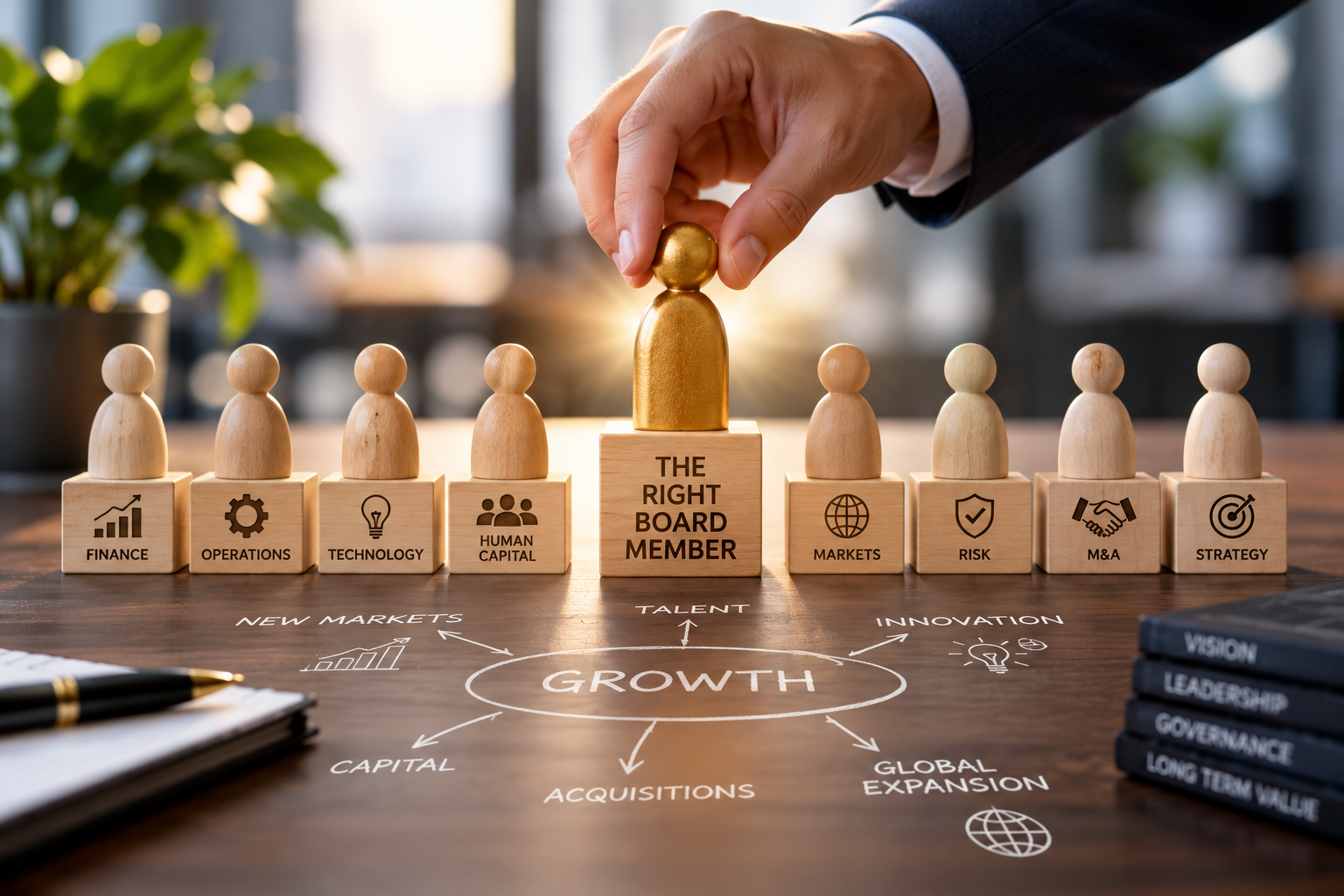
While executive empathy is often discussed in the context of team dynamics and company culture, its impact at the board level is just as critical — and frequently overlooked. Boards that prioritize empathetic leadership make better governance decisions, attract more diverse and capable members, and build stronger trust with stakeholders.
In moments of crisis, boards anchored in empathy respond with thoughtfulness rather than reaction. They don’t just weigh financial metrics — they consider the human impact of every strategic choice. In doing so, they cultivate long-term value and social credibility, reinforcing that empathy is not only compatible with fiduciary duty — it enhances it.
Training empathy like a muscle
Empathy is not innate to all leaders, but it can be developed. The best leaders treat it like a muscle: something to be trained and exercised daily. That means listening more than speaking. Asking better questions. Seeking to understand before being understood.
It also means modeling vulnerability. As Brené Brown notes in Daring Greatly, “Vulnerability is not weakness; it’s our greatest measure of courage.” Executives who dare to be human inspire teams who dare to be great.
Leading in the future
Empathy is not a retreat from rigor. It is a recommitment to relevance. In a world of artificial intelligence and automation, the most human leaders will be the most successful. The future belongs to those who can balance competence with compassion, vision with validation and drive with dignity.
In the words of Stephen R. Covey: “Seek first to understand, then to be understood.” That’s not just a habit of highly effective people. It’s the hallmark of today’s most impactful executives.
Turning empathy into action
For leaders ready to put empathy into practice, here are five actionable steps:
- Start with listening: Make active listening a daily leadership habit. In one-on-ones, ask questions that go beyond performance. Listen not just for answers, but for emotions, hesitations and aspirations.
- Conduct empathy audits: Assess your organization’s emotional climate. Use surveys, focus groups or informal check-ins to understand how people are really feeling. Then act on what you hear.
- Lead with storytelling: Share your own challenges and failures. When leaders model vulnerability, they create space for honesty, courage and connection.
- Embed empathy in strategy: When making big decisions — layoffs, restructures, product pivots — pause and ask: How will this impact the people behind the metrics? Use empathy as a lens, not just a value.
- Coach for empathy: Develop it in others. Encourage managers and future leaders to prioritize empathy in their own leadership styles. Offer training, mentorship and accountability.
In uncertain times, people don’t just need leaders who can perform. They need leaders who can connect. Executive empathy isn’t a “nice-to-have.” It’s a necessity for any leader serious about building a resilient, innovative and human-centered organization.
#ExecutiveEmpathy, #EmpatheticLeadership, #StrategicLeadership, #LeadershipDevelopment, #EmotionalIntelligence, #ModernLeadership, #CultureBuilding, #BoardGovernance, #ExecutiveCoaching, #HumanCenteredLeadership, #Boardsi