Facing the Entrepreneurial Shadow with Phil Neil
Boardsi Leadership Talks Podcast Recap
By Martin Rowinski
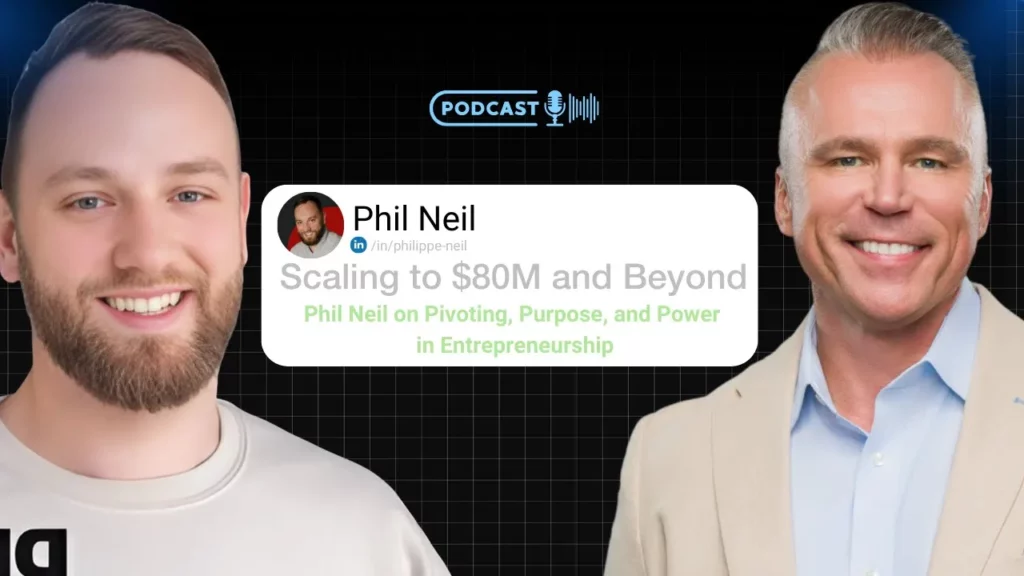
Entrepreneurship is often glorified as a straight-line journey of success, growth, and impact. But in reality, the road is anything but linear. In this powerful episode of Boardsi Leadership Talks, I sat down with Phil Neil — a serial entrepreneur, deep tech investor, and M&A advisor — who shares his real journey: from starting a company with just a few hundred dollars, scaling it to over $70 million in revenue, surviving a global crisis, and ultimately navigating personal and professional reinvention.
Phil’s story is not just about growth — it’s about resilience, reinvention, and what he calls the “entrepreneurial shadow.” A concept that speaks to the uncertainty, fear, failure, and identity crisis many founders silently face — and how to overcome it.
🧭 The “Entrepreneurial Shadow”: A Framework for Founders
Phil broke down the emotional rollercoaster most entrepreneurs don’t talk about — what happens when momentum stalls, when fear replaces clarity, and when failure forces reinvention. His framework includes:
- Uncertainty – When the plan no longer works and the future becomes foggy
- Fear – Where poor decisions and short-term thinking take over
- Failure – A critical stage where lessons are either absorbed or repeated
- Unworthiness or Reinvention – The defining fork in the road
Rather than glamorizing the exit, Phil reveals what happens after the deal — the emotional weight, the identity loss, and the deep reflection needed to move forward with purpose.
🔑 Key Takeaways from the Episode:
Pivoting Can Save the Business
When COVID hit, Phil’s team pivoted quickly — shifting from a reseller model to direct sourcing. That pivot helped scale the company to $70M+ in 8 months.Listen to the “Whispers of Transformation”
Sometimes, the signs that it’s time to change direction are subtle. Phil explains why leaders must quiet the noise and reconnect with their intuition.The Entrepreneurial Shadow Is Real
Fear, failure, and identity crises are part of the founder’s journey — but when faced head-on, they can become the foundation for transformation.Failure Is a Teacher, Not a Label
Phil emphasizes that failing by following your intuition leads to wisdom, while failing out of fear breeds regret.Reinvention Begins with Letting Go
Real growth starts when leaders let go of false beliefs, broken expectations, and the need to maintain a perfect image.Strategic Exits Require Strategy and Support
Founders should focus on aligning with strategic buyers and protecting themselves from emotional or fear-driven negotiations.Intuition Is the Ultimate Compass
Phil’s message is clear: your instincts are not a weakness — they are your greatest guide in business and life.
🎤 Why You Should Listen
If you’re a founder, investor, or executive navigating high-stakes decisions, growth challenges, or the emotional weight of leadership — this episode offers insight you won’t hear anywhere else. Phil doesn’t just talk about wins — he breaks down the real journey behind them.
“A true leader’s legacy isn’t just in the milestones achieved, but in the values shared and the impact left on others.” – Martin Rowinski
🎧 Listen to the full episode
📌 Connect with Phil Neil:
Website: philneil.com
LinkedIn: Phil Neil on LinkedIn