Tag: executive-leadership

Board Member Readiness: The Essential Guide to Preparing for Corporate Board Service

Board member readiness is becoming one of the most important factors in effective corporate governance. Today’s boards need directors who bring strategic insight, financial literacy, and governance expertise to guide organizations through complex challenges. This article explores what board member readiness means, why it matters, and how executives can prepare themselves for successful board service.

Read More »

Strategic Leadership Is Not a Title. It’s a Discipline.

In today’s volatile business environment, strategic leadership is the defining advantage. It is not about managing tasks or optimizing quarterly results. It is about positioning an organization for sustained relevance. The leaders who endure are not those who react fastest, but those who think longest. Strategic leadership requires clarity of focus, disciplined decision-making, cultural alignment and the courage to say no. In a distracted age, the ability to architect the future is the ultimate competitive edge.

Read More »

Board Placement Strategy: How High-Impact Leaders Earn the Right Seat at the Table

Board seats are not awarded to the most accomplished executives. They are entrusted to those best prepared to govern. In an era of heightened scrutiny, digital disruption and rising stakeholder expectations, board placement is no longer about résumé prestige. It is about strategic alignment, governance fluency and trusted relationships. Leaders who approach board service intentionally—building relevance, cultivating credibility and choosing wisely—position themselves not just for a seat at the table, but for meaningful influence once they arrive.

Read More »

The Future of Board of Directors Recruitment: Building Strategic Boards for Modern Governance

Board of directors recruitment has evolved from a relationship-driven process into a strategic governance imperative. As regulatory complexity, digital transformation, and stakeholder expectations increase, organizations must recruit directors who bring enterprise-level thinking, governance fluency, and long-term strategic oversight. Modern board recruitment is not about filling seats. It is about building boards capable of leading the future.

Read More »

The Boardroom’s New Mandate: Strategic Foresight As A Governance Imperative

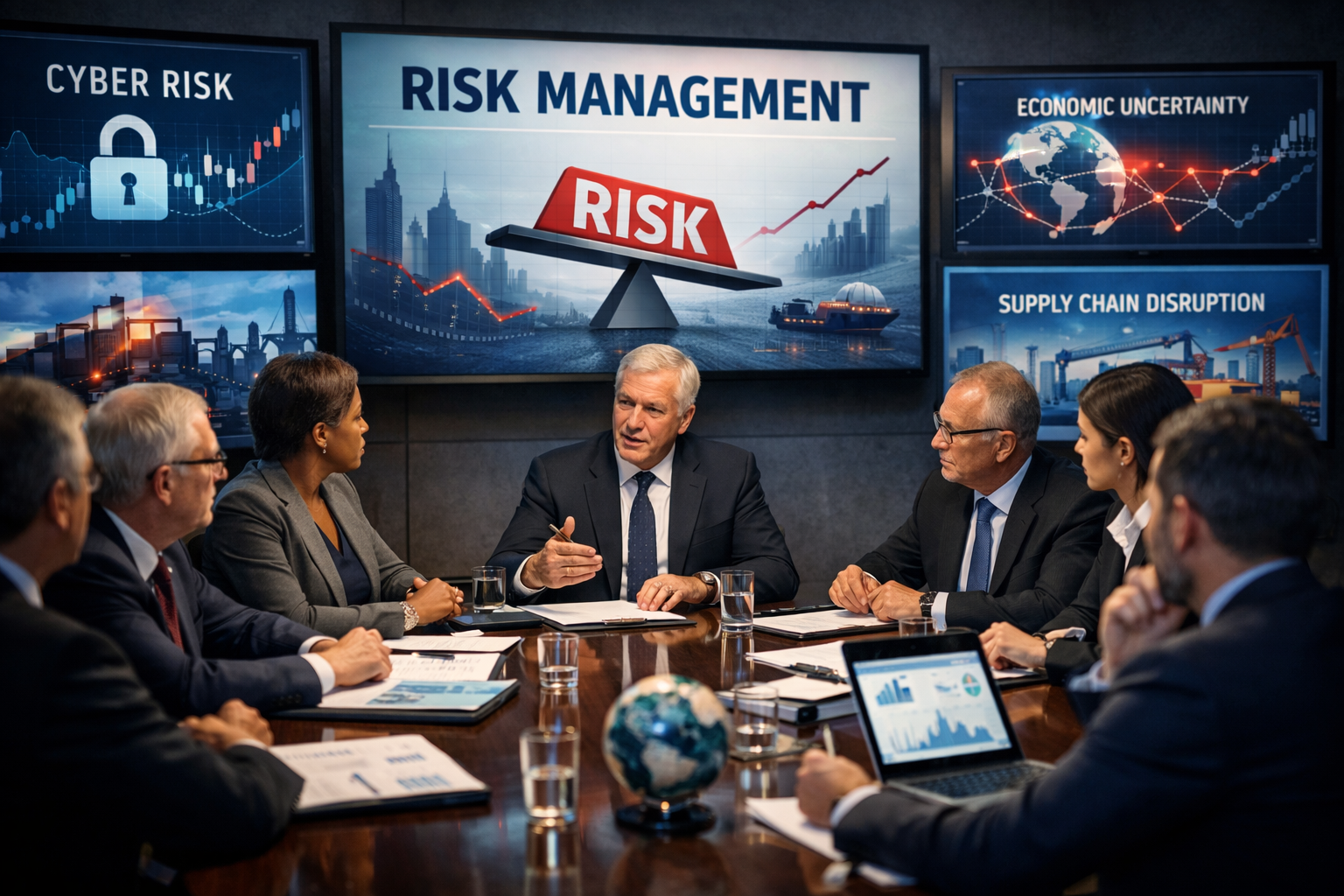
In today’s volatile business climate, oversight is no longer enough. Boards that limit themselves to reviewing past performance risk governing in hindsight. Strategic foresight—the disciplined practice of anticipating disruption, stress-testing assumptions, and preparing for multiple futures—is quickly becoming a fiduciary imperative. The boardrooms that will define the next decade are not those reacting to change, but those prepared for it.

Read More »

Enterprise Value Creation: The New Mandate for Modern Boards

Enterprise value creation is no longer a financial metric alone. It is a strategic mandate for modern boards. In an era defined by disruption, digital transformation, and competitive volatility, boards must move beyond compliance and oversight to actively shape long term value. Discover how industry connectivity, strategic capital allocation, and forward thinking board composition drive sustainable enterprise value creation.

Read More »

How to Build a High Performing Corporate Board

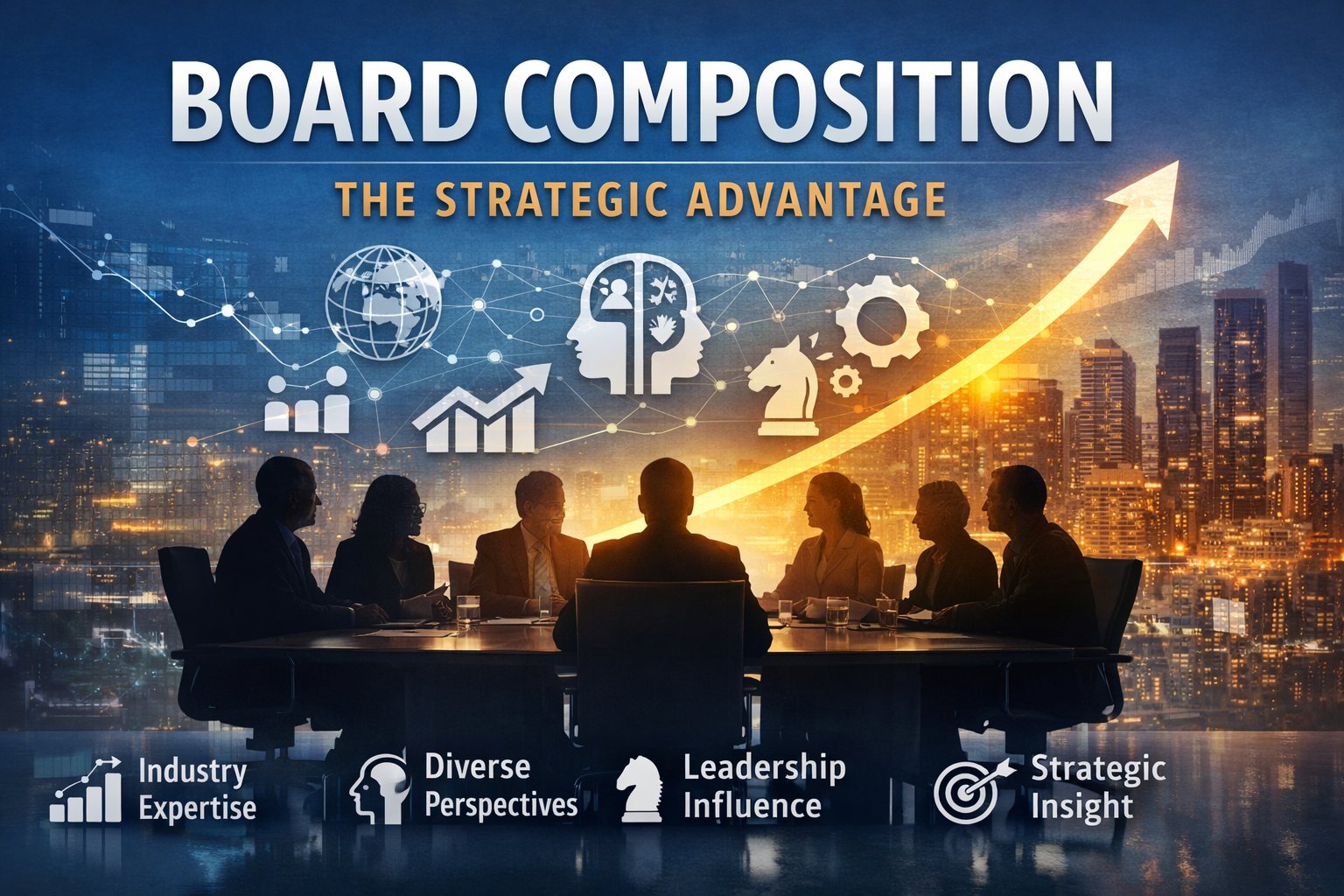
A high performing corporate board doesn’t happen by accident—it’s built with intention. In today’s evolving governance landscape, boards must move beyond compliance and become strategic drivers of growth, accountability, and long-term value. Discover the essential steps organizations must take to build a high performing corporate board that strengthens leadership, enhances oversight, and positions companies for sustainable success.

Read More »

Governance Is Not a Formality—It’s a Competitive Advantage

Governance is often mistaken for compliance. In reality, it is competitive advantage.

The most resilient organizations do not treat governance as a checklist—they treat it as strategic infrastructure. From board composition and executive compensation to risk oversight and constructive dissent, governance best practices are the quiet drivers of sustainable performance. In a volatile environment shaped by technological disruption and stakeholder scrutiny, the companies that lead are those whose boards move beyond oversight and into stewardship.

Governance done well does not slow growth. It accelerates it.

Read More »