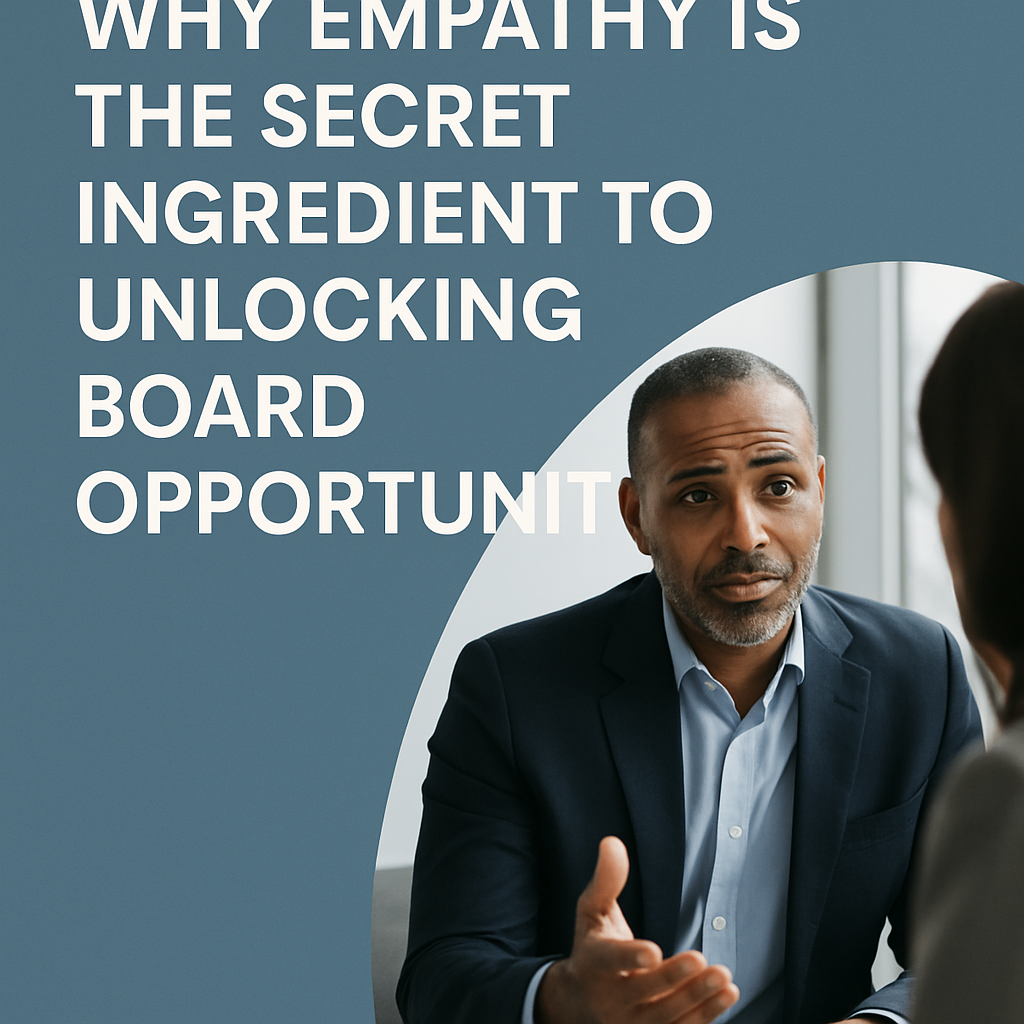
Tag: emotional intelligence

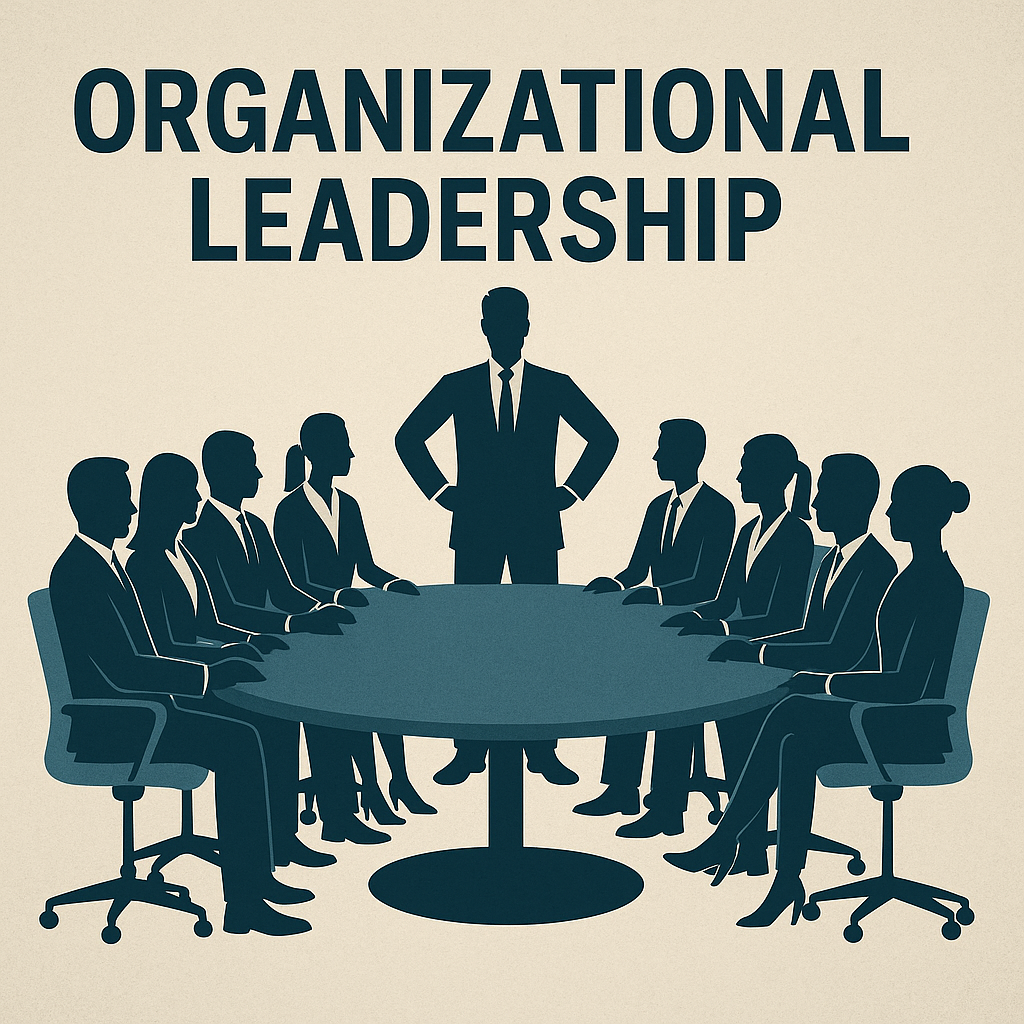
The New Mandate of Organizational Leadership: From Control to Culture

In today’s rapidly changing business environment, successful organizational leadership is no longer about rigid hierarchies and top-down directives. It’s about shaping culture, fostering trust, and multiplying leadership across every level. Learn how forward-thinking leaders are creating alignment, agility, and resilience from within.

Read More »

Boardroom Trust: The Strategic Power of Vulnerability

In today’s boardrooms, trust isn’t a soft skill—it’s a strategic asset. True board-level effectiveness emerges when leaders shed the armor of perfection and embrace vulnerability as a tool for clarity, connection, and courageous decision-making. This article explores how trust is built at the highest levels of leadership through presence, integrity, and consistent behavior.

Read More »

This Overlooked Leadership Skill Will Help You Build Trust, Influence Teams and Thrive Under Pressure. Here’s How to Develop It.

In a world where virtual meetings, hybrid teams, and global uncertainty dominate the business landscape, executive presence has become a critical—and often overlooked—leadership skill. More than charisma or confidence, it’s the quiet authority, strategic clarity, and purposeful communication that inspire trust and drive influence. As leaders face high-stakes decisions across digital and physical platforms, cultivating executive presence is no longer optional—it’s essential for lasting impact.

Read More »

Boardsi on Elevating Leadership: The Power of Soft Skills in Modern Boardrooms

In today’s corporate landscape, technical expertise alone is not enough—effective leadership requires strong soft skills. Communication, emotional intelligence, adaptability, and conflict resolution are essential for fostering collaboration, inspiring confidence, and driving strategic decision-making. Organizations like Boardsi recognize the growing importance of interpersonal abilities in executive roles, emphasizing that leaders who connect, empathize, and navigate high-pressure environments effectively are more likely to succeed.

Emotional intelligence plays a central role in boardroom dynamics, enabling leaders to manage relationships, interpret subtle cues, and make informed decisions that balance both data and human insight. Clear communication and active listening help align leadership teams, prevent misunderstandings, and build trust among stakeholders. In an era of rapid change, adaptability and resilience ensure that leaders can pivot strategies and maintain momentum, even in the face of uncertainty.

Soft skills are not just complementary to leadership—they are fundamental. By cultivating these abilities through continuous learning, feedback, and executive coaching, today’s leaders can create a culture of collaboration and innovation, shaping the future of corporate governance.


Read More »